
Scleroderma in Canada: Symptoms, Diagnosis, and Treatments That Truly Make a Difference
Cold fingers that never quite warm up. Tight, itchy skin that feels like a glove a size too small. Heartburn that ignores every antacid in the pharmacy. For many Canadians, these are the first whispers of scleroderma—an autoimmune condition that can touch the skin, blood vessels, and internal organs. It’s uncommon, often misunderstood, and sometimes missed in the early stages. Yet early recognition and the right treatment plan change outcomes. If you’ve just heard the word “scleroderma,” or you’ve been living with it for years and want better tools, this guide is designed to walk you through what matters: clear explanations, practical tips for our climate and healthcare system, and evidence-based treatments you can ask about at your next appointment.
We’ll cover the types of scleroderma (including systemic sclerosis), how doctors in Canada diagnose it, the therapies that help most (from Raynaud’s care to interstitial lung disease treatment), and what daily life looks like—winter gloves, disability benefits, work accommodations and all. No fluff. Just what you need to make informed decisions.
What Is Scleroderma?
Scleroderma is an umbrella term for a group of autoimmune conditions where the immune system misfires, leading to inflammation, abnormal blood vessel function, and an overproduction of collagen. The result is thickened or hardened tissue—most visibly in the skin, but sometimes involving the lungs, digestive tract, heart, and kidneys. The medical community often uses the term “systemic sclerosis” for the form that involves internal organs.
Two broad categories matter for diagnosis and treatment:
Systemic sclerosis (systemic scleroderma)
Systemic sclerosis affects the skin and can also involve internal organs. It has several patterns:
- Limited cutaneous systemic sclerosis (lcSSc): Skin thickening typically affects fingers, hands, forearms below the elbows, feet, and sometimes the face. Raynaud’s phenomenon is usually prominent and may precede other symptoms by years. Over time, people with lcSSc are at risk of pulmonary arterial hypertension and gastrointestinal involvement.
- Diffuse cutaneous systemic sclerosis (dcSSc): Skin thickening occurs more widely, including the upper arms, thighs, chest, or abdomen. dcSSc is associated with a higher risk of earlier internal organ involvement, such as interstitial lung disease or, rarely, scleroderma renal crisis. Close monitoring is essential.
- Systemic sclerosis sine scleroderma: Internal organ manifestations of systemic sclerosis occur without obvious skin thickening. It’s less common and can be harder to spot.
- Overlap syndromes: Scleroderma features occur alongside other autoimmune diseases such as lupus, rheumatoid arthritis, or myositis.
Systemic sclerosis is rare, more common in women, and usually appears between ages 30–60. The course and severity vary widely. Many people manage well with targeted treatments and lifestyle changes. Others need specialist-level care and close follow-up.
Localized scleroderma (morphea and linear forms)
Localized scleroderma mainly affects the skin and underlying tissue but not the internal organs. It includes:
- Morphea: Round or oval patches or plaques of hardened skin. They can be single or multiple and vary in depth and colour.
- Linear scleroderma: A band or streak of tight skin, often on an arm, leg, or the face (sometimes called “en coup de sabre” when on the forehead/scalp). In growing children, it can affect underlying bone or muscle and needs early attention.
Localized scleroderma does not “turn into” systemic sclerosis. Treatments focus on controlling local inflammation, softening skin, and preserving function. Dermatologists and pediatric rheumatologists (for children) are often involved.
What Causes Scleroderma? A Plain-Language Look at the Biology
No single cause explains scleroderma. Most experts view it as an interplay of immune system activation, small blood vessel injury, and an overdrive of fibroblasts (cells that produce collagen and other connective tissue components). Genetics can influence risk, but there’s no simple inheritance pattern. Environmental triggers may contribute in susceptible people, but clear-cut causes are rare.
Three processes show up consistently:
- Autoimmunity: The immune system produces autoantibodies and inflammatory signals that drive disease. Certain autoantibodies (such as anticentromere, anti-topoisomerase I/Scl-70, anti–RNA polymerase III) are associated with specific patterns of organ involvement.
- Vascular dysfunction: Small arteries and capillaries become damaged and reactive. Raynaud’s phenomenon—exaggerated colour changes in fingers and toes with cold or stress—is the most visible sign. Over time, blood flow problems can lead to digital ulcers.
- Fibrosis: Fibroblasts lay down too much collagen, thickening the skin and, in some people, scarring organs such as the lungs.
Understanding this triad helps explain why treatment is organ-specific: a calcium-channel blocker might calm Raynaud’s, an immunosuppressant can help skin or lung inflammation, and a targeted pulmonary hypertension therapy supports the blood vessels in the lungs.
How Scleroderma Shows Up: Early Clues and Evolving Symptoms
Symptoms vary by person and by type of scleroderma. Some signs are subtle at first, especially in Canada where cold weather can mask early Raynaud’s as “just winter hands.” Paying attention to patterns—symmetry, triggers, associated symptoms—can help you and your physician spot scleroderma earlier.
Skin and circulation
Many people notice:
- Raynaud’s phenomenon: Fingers or toes turn white or blue in the cold or with stress, then red as circulation returns. Numbness or pain can be intense. In systemic sclerosis, Raynaud’s tends to be more severe and persistent than in simple “primary” Raynaud’s.
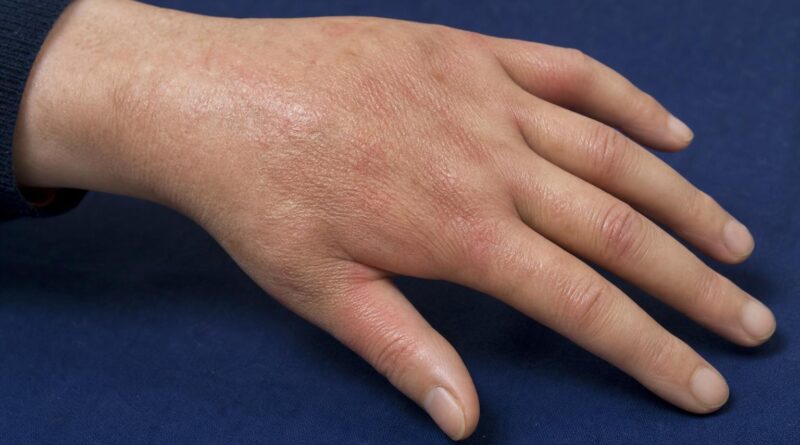
- Skin thickening and tightness (sclerodactyly): Swollen or puffy fingers may come first, followed by shiny, tight skin over the fingers and hands. Rings feel tighter. The skin on the face may feel pulled.
- Digital ulcers and pits: Small painful sores at fingertips due to poor blood flow. They’re slow to heal and need proper wound care.
- Telangiectasias: Small red “spider” blood vessels on the face, lips, hands, or inside the mouth.
- Calcinosis: Gritty calcium deposits under the skin, often near joints or pressure points. They can flare and drain white material if they break the skin surface.
Lungs
Two distinct lung problems can occur:
- Interstitial lung disease (ILD): Inflammation and scarring of lung tissue cause breathlessness on exertion and a dry cough. High-resolution CT scans and pulmonary function tests (PFTs) are key for detection and monitoring.
- Pulmonary arterial hypertension (PAH): Narrowing of lung blood vessels raises pressure in the pulmonary arteries. Symptoms include shortness of breath, fatigue, chest discomfort, and sometimes fainting with exertion. Untreated PAH can be serious, so screening matters.
Digestive system
Scleroderma can affect the entire gastrointestinal tract:
- Esophagus: Heartburn (acid reflux), difficulty swallowing, or a sensation of food sticking. Esophageal dysmotility and lower esophageal sphincter weakness are common.
- Stomach and small intestine: Early fullness, bloating, nausea, bacterial overgrowth (SIBO) causing gas, cramps, diarrhea, or malabsorption.
- Large intestine: Constipation or alternating constipation and diarrhea; in some, “pseudo-obstruction” episodes that mimic a blockage.
- Nutrition: Unintentional weight loss, low iron or vitamin levels if absorption is affected.
Kidneys
Scleroderma renal crisis is a rare but critical complication, usually in diffuse cutaneous disease and often within the first five years. It presents with sudden severe high blood pressure, headache, visual changes, or shortness of breath. Immediate treatment with an ACE inhibitor saves lives and preserves kidney function. High-dose corticosteroids are a known risk factor and are used cautiously in systemic sclerosis.
Heart and blood vessels
Cardiac involvement can include heart muscle inflammation or scarring, arrhythmias, and pericardial effusions (fluid around the heart). Some people have coronary microvascular dysfunction causing chest discomfort despite normal large coronary arteries. Routine screening helps catch changes early.
Muscles and joints
Joint pain, tendon friction rubs, carpal tunnel syndrome, and muscle weakness can occur. Swelling in the hands can be mistaken for arthritis. Physical and occupational therapy are invaluable to preserve range of motion and hand function.
When to See a Doctor in Canada—and How to Navigate the System
If you have new Raynaud’s with fingertip sores, persistent puffy fingers, skin tightening, or breathlessness without a clear cause, book an appointment with your family physician or nurse practitioner. Mention scleroderma or systemic sclerosis specifically if you’re concerned. In Canada, primary care providers are the gateway to specialist referrals and diagnostic testing covered by provincial health insurance.
Ask for referral to a rheumatologist if systemic sclerosis is suspected. If lungs or the heart are involved, respirology, cardiology, and specialized pulmonary hypertension clinics may be added to your team. Larger centres such as Toronto, Montreal, Calgary, Vancouver, Ottawa, and Halifax have rheumatology programs with experience in scleroderma. If you live in a rural or remote area, telemedicine visits are increasingly available, and your local hospital can complete tests like PFTs and echocardiograms.
Wait times vary by province and urgency. If you develop red-flag symptoms—sudden severe shortness of breath, crushing headache with high blood pressure, new chest pain, or rapidly worsening kidney function—go to the emergency department and share your scleroderma diagnosis or suspicion.
How Scleroderma Is Diagnosed in Canada
No single test confirms scleroderma. Doctors combine clinical features with blood tests and imaging to make the diagnosis and classify the type. The 2013 ACR/EULAR classification criteria guide many rheumatologists, but clinical judgment matters—especially early on.
Blood tests and autoantibodies
Common tests include:
- ANA (antinuclear antibody): Positive in most people with systemic sclerosis.
- Specific autoantibodies:
- Anticentromere (ACA): Often linked to limited cutaneous disease and increased risk of PAH.
- Anti–topoisomerase I (Scl-70): Associated with interstitial lung disease and diffuse cutaneous disease.
- Anti–RNA polymerase III: Linked to diffuse skin involvement and higher risk of renal crisis; sometimes associated with rapidly progressive skin thickening.
- Others (e.g., PM-Scl, U3-RNP/fibrillarin, Th/To): May signal overlap syndromes or specific patterns.
- Baseline labs: CBC, kidney function, liver enzymes, creatine kinase (if muscle symptoms), and inflammatory markers.
In Canada, most of these tests are available through provincial labs; some rarer antibodies are batched or sent to reference labs, which can extend turnaround times.
Nailfold capillaroscopy
Looking at the tiny blood vessels at the base of the fingernails with a capillaroscope or even a dermatoscope can show enlarged and distorted capillaries characteristic of systemic sclerosis. This quick, non-invasive exam supports diagnosis and helps distinguish secondary Raynaud’s from primary Raynaud’s. Not every clinic has specialized equipment, but many rheumatologists use handheld devices effectively.
Lung evaluation
Lung involvement is common and often silent early on, so testing isn’t optional—it’s foundational:
- Pulmonary function tests (PFTs): Measure lung volumes and diffusion capacity (DLCO). Baseline and repeat every 6–12 months depending on risk.
- High-resolution CT (HRCT) of the chest: Detects ILD patterns and helps track scarring. It’s more sensitive than a standard chest X-ray.
Heart and pulmonary hypertension screening
Yearly echocardiography is typical to screen for PAH and other cardiac issues. If PAH is suspected, right heart catheterization at a specialized centre confirms the diagnosis and guides treatment. Holter monitoring checks for arrhythmias if palpitations or dizziness occur.
Gastrointestinal testing
Depending on symptoms, your team may arrange:
- Upper endoscopy for persistent reflux, swallowing issues, or anemia.
- Manometry to assess esophageal motility (available in larger centres).
- Breath testing for SIBO (where available) or empiric antibiotic trials.
- Nutritional assessment to address weight loss or deficiencies.
Risk stratification and follow-up plan
Diagnosis is step one; setting a follow-up cadence is step two. People at higher risk of ILD (e.g., anti–Scl-70 positive, diffuse cutaneous disease) typically have closer monitoring with PFTs every 3–6 months initially, then spacing out if stable. Those with anticentromere antibodies receive vigilant PAH screening. Regular blood pressure checks are essential for everyone with systemic sclerosis, especially in the first years.
Treatment Overview: What Works—and What to Skip
There’s no single “scleroderma drug.” Care is tailored to the person and the organs involved. The goals: control symptoms, prevent organ damage, and maintain quality of life. Many treatments are covered by public or private plans in Canada, although criteria and prior authorization vary by province. You’ll see three major treatment families below: vascular/circulation support, immune and antifibrotic therapy, and organ-specific therapies.
Raynaud’s phenomenon and digital ischemia
First-line measures are both lifestyle and pharmacologic:
- Temperature strategies: Layered clothing, thermal socks, heated insoles or gloves, hand warmers, and steering wheel covers. Warm your car in winter before driving. Avoid sudden temperature swings—keep gloves by the fridge/freezer too.
- Stop smoking and avoid nicotine: Nicotine is a potent vasoconstrictor. Seek cessation support programs available through provincial health services and pharmacies.
- Review medications: Non-selective beta-blockers and some migraine or decongestant medications can worsen Raynaud’s. Ask your prescriber about alternatives.
- Calcium-channel blockers: Nifedipine or amlodipine reduce attack frequency and severity. Start low to minimize dizziness or ankle swelling and titrate as tolerated.
- Topical nitroglycerin: Applied to the base of the digits can help during flares. Headache is a common side effect.
- Phosphodiesterase-5 inhibitors: Sildenafil or tadalafil can improve severe Raynaud’s and aid healing of digital ulcers in some people.
- Prostacyclin infusions: For critical digital ischemia not responding to tablets, intravenous prostacyclin analogues (e.g., iloprost, where available) may be used in hospital.
- Botulinum toxin injections: Offered in some centres for refractory digital ischemia; coverage is variable.
- Wound care: Keep ulcers clean, protected, and dry. A wound care clinic can help with dressings and offloading. Early infection treatment prevents complications.
For recurrent digital ulcers, some centres use endothelin receptor antagonists (e.g., bosentan) to reduce new ulcer formation, usually under specialist supervision.
Skin thickening and musculoskeletal symptoms
For systemic sclerosis with active skin involvement:
- Immunosuppressive therapy:
- Mycophenolate mofetil (MMF) is commonly used for skin disease and ILD.
- Methotrexate can help inflammatory skin and joint symptoms, particularly in early disease.
- Cyclophosphamide may be used short-term in severe, rapidly progressive cases, though toxicity limits duration.
- Rituximab and tocilizumab are used in selected cases based on emerging evidence and individual risk profiles; access involves specialist approval.
- Physical and occupational therapy: Daily range-of-motion exercises for hands and shoulders, splints for function, and mouth-stretching routines to maintain flexibility.
- Skin care: Regular emollients, lukewarm (not hot) showers, gentle soaps, and sun protection help itch and comfort. For calcinosis, options are limited; protective padding, topical wound care if they break, and occasional surgical removal for painful deposits are considered.
Interstitial lung disease (SSc-ILD)
ILD is one of the most impactful complications of systemic sclerosis. Early detection and treatment improve outcomes. Common approaches include:
- Mycophenolate mofetil: Frequently first-line for active ILD, balancing efficacy and tolerability. Regular lab monitoring is required.
- Cyclophosphamide: Effective in some, used with caution due to side effects; often a bridge to maintenance therapy.
- Antifibrotic therapy: Nintedanib is approved in Canada for systemic sclerosis–associated ILD. It slows lung function decline; diarrhea is a common side effect, often manageable with dose adjustments and antidiarrheals.
- Tocilizumab: Considered in select patients, particularly with early inflammatory ILD features; specialist guidance is needed.
- Pulmonary rehabilitation: Exercise programs tailored to lung disease build endurance and reduce breathlessness.
- Vaccinations: Annual influenza, pneumococcal, and recommended COVID-19 boosters to reduce infection-related setbacks.
Pulmonary arterial hypertension (PAH)
Management of PAH in scleroderma is specialized and typically coordinated through designated PAH clinics. Therapies target vascular pathways:
- Endothelin receptor antagonists: Bosentan, ambrisentan, macitentan.
- Phosphodiesterase-5 inhibitors: Sildenafil, tadalafil.
- Prostacyclin pathway agents: Epoprostenol (intravenous), treprostinil (various routes), or selexipag (oral) depending on severity.
Combination therapy is common. Oxygen, diuretics, and anticoagulation are considered case by case. In Canada, PAH medication funding is often managed through provincial programs with criteria; your PAH clinic handles approvals and monitoring.
Scleroderma renal crisis
This is a medical emergency. The cornerstone treatment is rapid initiation of an ACE inhibitor, commonly captopril, with careful blood pressure control and close inpatient monitoring. Even if kidney function worsens initially, ACE inhibitors are continued because they improve long-term outcomes. High-dose steroids increase risk and are avoided whenever possible in systemic sclerosis.
Gastrointestinal care: reflux, dysmotility, SIBO, and nutrition
Gastrointestinal symptoms are common and treatable. Practical steps in Canada include:
- Reflux control: Proton pump inhibitors (e.g., pantoprazole, esomeprazole) are first-line. Elevate the head of the bed, avoid late-night meals, and limit trigger foods (mint, chocolate, alcohol, acidic or spicy items). H2 blockers at bedtime can help nocturnal symptoms.
- Esophageal motility: Prokinetics (such as domperidone, which has cardiac safety considerations in Canada) may be used with ECG monitoring and under prescriber oversight. Metoclopramide is another option, used short-term due to neurologic side effects.
- Small intestinal bacterial overgrowth (SIBO): Antibiotics like rifaximin (coverage varies), metronidazole, or others may be used in cycles. A dietitian familiar with GI dysmotility can tailor strategies, sometimes borrowing elements from low-FODMAP approaches to reduce bloating.
- Constipation and diarrhea: Adequate fluids, fibre as tolerated, osmotic laxatives (e.g., PEG 3350) for constipation, and careful use of antidiarrheals when needed. If you swing between both, your clinician will look for SIBO and motility issues.
- Nutrition: If weight loss or deficiencies occur, consider high-calorie, high-protein options and supplements guided by a registered dietitian. Bone health (vitamin D, calcium) matters, especially if you’ve used steroids.
- Dental and swallowing: Dry mouth and reflux raise cavity risk. Regular dental care and fluoride treatments help. Speech-language pathology input can support swallowing strategies.
Pain, itch, and mental health
Pain may come from ulcers, joint inflammation, neuropathic changes, or calcinosis. Good wound care, topical agents, neuropathic pain medications (e.g., gabapentin, duloxetine), and targeted joint therapies all have roles. Itch can be stubborn; moisturizers, antihistamines, and sometimes gabapentin or mirtazapine help. Chronic disease brings a mental load—screen for anxiety and depression and ask about counselling or peer support. Many Canadian employers have Employee Assistance Programs, and provincial mental health services can connect you with community supports.
Localized scleroderma (morphea, linear) treatment
Dermatology leads care for morphea, often with:
- Topical therapies: High-potency corticosteroids or calcineurin inhibitors for active plaques.
- Phototherapy: UVA1 or narrowband UVB in centres that offer it.
- Systemic therapy: Methotrexate (often with a short steroid taper) for extensive, deep, or linear disease, especially in children to protect growth and function.
Scar management, physiotherapy, and monitoring for joint contractures are part of long-term care.
Stem cell transplant and clinical trials
Autologous hematopoietic stem cell transplant (HSCT) may be offered in carefully selected people with severe, rapidly progressive diffuse cutaneous systemic sclerosis who do not respond to standard therapy. The procedure carries significant risks and is performed at specialized Canadian centres after rigorous evaluation. Clinical trials across Canada test new therapies; ask your rheumatologist about options or check research networks and major academic hospitals.
Living Well in Canada With Scleroderma: Practical Strategies
Managing scleroderma is as much about daily life as it is about prescriptions. Canada’s climate and healthcare landscape shape how you plan.
Cold-weather survival guide
Raynaud’s and Canadian winters are a tough pair, but not unbeatable:
- Dress in breathable layers: Start with moisture-wicking base layers, add insulating mid-layers, and finish with windproof, water-resistant outerwear.
- Warm your core: A heated vest can reduce Raynaud’s attacks in hands by keeping overall body temperature higher.
- Protect hands and feet: Mitts are warmer than gloves. Consider heated options and sock liners. Keep spare warmers in your coat, car, and bag.
- Plan errands: Park underground when possible, and group trips to minimize in-and-out exposure. Use remote car starters or public transit shelters.
- Home tricks: Keep gloves by the freezer, pre-warm dishes or steering wheels, and use kettle steam carefully to warm fingers (not too close).
Work, school, and benefits
Many Canadians with scleroderma keep working with adjustments. You have rights to reasonable accommodations under the Canadian Human Rights Act and provincial human rights codes. Examples include:
- Ergonomic devices, voice recognition software if hand mobility is limited.
- Flexible scheduling for medical appointments and fatigue management.
- Temperature control at the workstation or permission to wear gloves.
- Reduced vibration exposure for those with severe Raynaud’s (avoid jackhammers, certain power tools).
If symptoms significantly limit function, speak with your healthcare provider about documentation for:
- Short- or long-term disability through your employer or private insurer.
- Canada Pension Plan Disability (CPP-D) benefits, if eligible.
- The Disability Tax Credit (DTC) to help offset costs associated with severe, prolonged impairments.
- Accessible parking permits through your province or territory.
Indigenous peoples may have coverage through the Non-Insured Health Benefits (NIHB) program for certain services and medications. Veterans Affairs Canada has programs for eligible veterans. Always check the current criteria—coverage evolves.
Exercise, physiotherapy, and occupational therapy
Movement preserves function. Aim for:
- Gentle daily range-of-motion exercises for hands, wrists, shoulders, and jaw (mouth-stretching).
- Aerobic activity tailored to your capacity—walking, stationary cycling, water-based exercise (warm pools are ideal for Raynaud’s).
- Strength training with light resistance to support joints and improve metabolism.
- Pulmonary rehab if you have lung involvement; these programs exist in many Canadian cities and via tele-rehab.
Occupational therapists can recommend adaptive tools for cooking, dressing, and computer work; they can also help with energy conservation strategies and home/workplace modifications.
Oral and dental care
Reflux and dry mouth raise cavity risk. Tips:
- Brush with fluoride toothpaste twice daily and floss. Consider high-fluoride toothpaste or varnish if your dentist recommends it.
- Schedule regular dental check-ups; tell your dentist about reflux and any jaw tightness.
- Use sugar-free gum or saliva substitutes for dry mouth.
- Practice jaw stretching: Gentle mouth-opening exercises help maintain oral aperture (your dentist or therapist can demonstrate).
Vaccines and infection prevention
People with scleroderma—especially those on immunosuppressants—should keep vaccinations up to date: influenza annually, pneumococcal per guidelines, and COVID-19 boosters as recommended. Avoid live vaccines if you’re on certain therapies; your care team will advise. Hand hygiene, prompt treatment of skin infections, and dental care all reduce complications.
Pregnancy and family planning
Pregnancy is possible for many with systemic sclerosis, but it’s high-risk in some situations and requires coordinated care. Pre-conception counselling with rheumatology, maternal-fetal medicine, and (if needed) cardiology or respirology ensures medications are optimized and organ involvement is stable. PAH is a particularly high-risk condition in pregnancy. ACE inhibitors, mycophenolate, methotrexate, and certain other drugs are unsafe in pregnancy and must be stopped well in advance; your specialist will discuss alternatives.
Medications and Coverage in Canada: What to Expect
Prescription coverage in Canada is a patchwork of provincial/territorial plans and private insurance. Some key points:
- Public drug plans: Ontario Drug Benefit (ODB), BC PharmaCare, RAMQ (Quebec), Alberta Blue Cross (for eligible groups), and others publish formularies and special authorization criteria. Many immunosuppressants are covered with criteria; PAH therapies and nintedanib typically require specialist application.
- Private insurance: Employer or individual plans often cover a broader range with prior authorization. Ask your pharmacist about navigating approvals; many specialty pharmacies assist with paperwork.
- Patient support programs: Manufacturers may offer co-pay assistance or case management for high-cost drugs, subject to provincial rules.
- Pharmacy services: Medication reviews, injection training, vaccine administration, and smoking cessation counselling are available in most provinces.
Always keep a current medication list. Ask about interactions—e.g., combining domperidone with other QT-prolonging agents carries cardiac risk. If you use cannabis products for pain or sleep, disclose them; they can interact with other drugs.
Building Your Care Team and Follow-Up Plan
Good care is coordinated care. A typical Canadian team for systemic sclerosis includes:
- Primary care provider: Coordinates referrals, preventive care, vaccinations, and monitors blood pressure and labs.
- Rheumatologist: Leads systemic sclerosis management and organ screening.
- Respirologist and cardiologist: Manage ILD and PAH; order PFTs, HRCTs, echocardiograms, and right heart catheterizations when indicated.
- Dermatologist: Treats skin complications, morphea, calcinosis, and wound care.
- Gastroenterologist: Manages reflux, motility disorders, SIBO, and nutrition concerns.
- Physiotherapist and occupational therapist: Preserve function, recommend adaptive tools, and guide exercise.
- Pharmacist and dietitian: Medication safety, side-effect management, and tailored nutrition.
- Mental health professional: Supports coping, sleep, and resilience.
Typical monitoring cadence (adjusted to your risk):
- Blood pressure checks: At home several times per week early on; bring readings to visits.
- Labs: Every 1–3 months when starting or adjusting immunosuppression; then spaced out if stable.
- PFTs: Every 6–12 months, or more often if ILD is active.
- Echocardiogram: Annually to screen for PAH and cardiac changes.
- HRCT: Baseline and as clinically indicated to track ILD.
Myths, Red Flags, and When to Push for Help
Myths linger around scleroderma. Some need debunking; others are dangerous:
- “It’s just winter hands.” If Raynaud’s comes with fingertip sores, puffy fingers, or nailfold capillary changes, it’s not just the cold.
- “Steroids fix everything.” Not here. High-dose steroids can trigger renal crisis in systemic sclerosis. They’re used cautiously, if at all, and typically for overlap conditions under close monitoring.
- “There’s nothing to do.” Untrue. Organ-specific treatments improve function and survival. Early ILD therapy, PAH regimens, vascular support, and rehab all move the needle.
- “Localized scleroderma becomes systemic.” It doesn’t. They’re related conditions but behave differently.
Red flags that warrant urgent evaluation:
- Sudden severe headache with high blood pressure or visual changes (possible renal crisis).
- Rapidly worsening shortness of breath, chest pain, fainting, or palpitations.
- Painful, cold, blue or black fingertips that do not rewarm—especially with new severe pain.
- Rapid progression of skin thickening with swallowing issues and weight loss.
Resources and Support in Canada
Community matters. Canadian organizations provide education, peer support, and advocacy:
- Scleroderma Canada and provincial societies (e.g., Scleroderma Society of Ontario, Scleroderma Québec, Scleroderma Manitoba, Scleroderma Alberta, Scleroderma BC): Support groups, webinars, and awareness events.
- The Arthritis Society Canada: Education, rehabilitation resources, and navigation help.
- Pulmonary hypertension associations: Patient guides and connections to PAH clinics.
- Hospital-based scleroderma programs: Many academic centres host multidisciplinary clinics; ask your rheumatologist about the nearest option or telehealth alternatives.
Your pharmacist and family doctor are everyday allies—don’t underestimate the value of regular check-ins between specialist visits. If travel to a large centre is challenging, inquire about local testing with virtual specialist oversight.
At-a-Glance: Organ Systems, What to Watch, and Common Treatments
| Organ/System | Common Issues | What to Monitor | Typical Treatments in Canada |
|---|---|---|---|
| Skin & circulation | Raynaud’s, digital ulcers, skin thickening, calcinosis | Frequency of attacks, ulcer healing, skin scores, hand function | Layering/heat strategies, smoking cessation, CCBs, PDE-5 inhibitors, topical nitro, prostacyclin infusions for ischemia, MMF/methotrexate for active skin disease |
| Lungs (ILD) | Breathlessness, cough, scarring | PFTs (FVC, DLCO), HRCT changes, symptoms | MMF, cyclophosphamide, nintedanib, tocilizumab (selected), pulmonary rehab, vaccines |
| Lungs (PAH) | Exertional dyspnea, fatigue, syncope | Echocardiogram annually, BNP/NT-proBNP, right heart cath if indicated | Endothelin receptor antagonists, PDE-5 inhibitors, prostacyclin pathway drugs, oxygen/diuretics as needed |
| Kidneys | Renal crisis (rare but severe) | Home BP checks, creatinine, urinalysis | Immediate ACE inhibitor (captopril), careful BP control; avoid high-dose steroids |
| Gastrointestinal | Reflux, dysphagia, SIBO, constipation/diarrhea | Symptoms, weight, iron and vitamin levels | PPIs, H2 blockers, prokinetics (with caution), antibiotics for SIBO, dietitian support |
| Musculoskeletal | Joint pain, weakness, tendon rubs | Strength, range of motion, function | Physio/OT, methotrexate in selected cases, pain management |
| Cardiac | Arrhythmias, myocarditis, pericardial effusion | Echocardiogram, Holter, cardiac MRI when needed | Rhythm management, heart failure therapy, immunosuppression in select inflammatory cases |
Key Takeaways
Scleroderma is complex, but the roadmap is clear: recognize early signs, screen organs methodically, and treat actively. In Canada, specialist teams, public health coverage for testing, and targeted therapies make a real difference. Your day-to-day choices—from heated mitts to home blood pressure checks—matter as much as your medications. Build your team, know the red flags, and keep asking good questions.
FAQ: Scleroderma Questions Canadians Ask Most
Is scleroderma the same as systemic sclerosis?
“Scleroderma” is a broad term. “Systemic sclerosis” refers to scleroderma that involves the skin and potentially internal organs. Localized scleroderma (morphea, linear) affects skin and underlying tissue but not internal organs. When people discuss serious organ complications, they usually mean systemic sclerosis.
How rare is scleroderma in Canada?
Systemic sclerosis is an uncommon autoimmune disease. Exact rates vary by region and study, but it’s considered rare. What matters for you is that every province has rheumatologists who see and treat it, and larger Canadian centres host multidisciplinary scleroderma programs.
What are the earliest signs to watch for?
Persistent Raynaud’s (especially with fingertip ulcers), puffy fingers, tight shiny skin on fingers, new reflux, or unexplained shortness of breath. If Raynaud’s is new after age 30 or unusually severe, that’s another reason to investigate further.
Can scleroderma be cured?
There’s no cure yet, but treatments targeting blood vessels, the immune system, and specific organs improve symptoms and outcomes. Many people live full lives with systemic sclerosis by catching complications early and treating them promptly.
Is scleroderma hereditary?
There’s no simple inheritance pattern. Having a close relative with an autoimmune disease slightly raises risk, but most people with systemic sclerosis have no affected relatives. Routine genetic testing isn’t part of care.
How is scleroderma diagnosed?
Diagnosis combines clinical features, autoantibody testing, nailfold capillaroscopy, lung tests (PFTs, HRCT), and heart evaluation (echocardiogram). No single test is definitive—your healthcare team synthesizes the findings.
What medications actually help?
For circulation: calcium-channel blockers, PDE-5 inhibitors, topical nitroglycerin, and prostacyclin infusions for severe ischemia. For skin and ILD: mycophenolate, cyclophosphamide in select cases, and antifibrotic therapy such as nintedanib for SSc-ILD. For PAH: endothelin receptor antagonists, PDE-5 inhibitors, and prostacyclin pathway agents. For reflux and GI: PPIs, H2 blockers, targeted antibiotics for SIBO, and prokinetics where appropriate.
Are steroids safe in systemic sclerosis?
High-dose systemic steroids increase the risk of scleroderma renal crisis and are avoided when possible. Low doses may be used briefly for overlap conditions under specialist supervision, but there’s a strong bias toward steroid-sparing approaches.
What about supplements or complementary therapies?
Be cautious. Some “immune-boosting” products can worsen autoimmune activity or interact with medications. Discuss any supplements with your pharmacist or physician. Gentle yoga, mindfulness, and heat-based therapies can help comfort and flexibility. In Canada, regulated cannabis products may help pain or sleep for some, but review interactions first.
Can I exercise with scleroderma?
Yes—exercise is encouraged. Tailor it to your energy and organ involvement. Pulmonary rehab for lung disease, hand and jaw stretching for skin tightness, and low-impact aerobic activity are all beneficial. A physiotherapist can write a safe plan.
Will pregnancy be safe?
Many people with systemic sclerosis can have successful pregnancies with planning. Certain situations—especially pulmonary arterial hypertension—are high risk. Pre-conception counselling and medication adjustments are crucial. Some drugs (mycophenolate, methotrexate, ACE inhibitors) must be stopped well before trying to conceive.
How are drugs covered in Canada?
Coverage depends on your province and private plan. Many scleroderma-related medications are covered with prior authorization. Your specialist team and pharmacist can help navigate applications to provincial programs (e.g., ODB, RAMQ, PharmaCare) and patient support programs for high-cost medicines.
How do I find a specialist?
Ask your family doctor for a referral to a rheumatologist. If lung or heart involvement is suspected, respirology and cardiology referrals follow. Major centres across Canada host clinics familiar with systemic sclerosis; telemedicine options can support those in remote areas.
Is localized scleroderma (morphea) dangerous?
Localized scleroderma does not affect internal organs but can cause cosmetic and functional issues, especially linear forms in children. Early dermatology or pediatric rheumatology input helps prevent complications.
What red flags mean I need urgent care?
Severe headache with high blood pressure, sudden vision changes, rapid-onset shortness of breath, chest pain, fainting, or cold painful digits that turn blue/black and don’t rewarm. Go to the emergency department and share your diagnosis or suspicion of systemic sclerosis.
What lifestyle changes matter most in Canada?
Protect from cold, stop smoking, stay current on vaccines, elevate the head of the bed for reflux, and keep a home blood pressure monitor. Build a support system—family, employer accommodations, and Canadian patient groups. These steps compound with medical treatment to keep you well.