
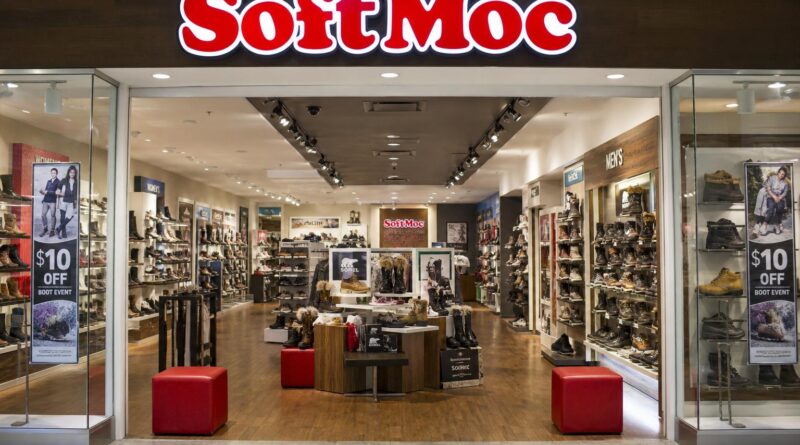
SoftMoc Canada: The no-stress guide to winter boots, moccasins, deals, sizing, and returns
If you live in Canada long enough, you learn two truths about footwear fast: winter is unforgiving, and good shoes are worth their weight in salt—road salt, that is. SoftMoc Canada sits right in the middle of that reality. Whether you’re hunting for a pair of Sorel boots that won’t quit in a February whiteout, breaking in classic Blundstones for a rainy Vancouver spring, finding Birkenstocks that actually fit narrow feet, or replacing a kid’s sneakers for the third time this semester, SoftMoc has become a familiar stop for Canadians looking for real-world, everyday footwear.
This guide breaks down how to shop SoftMoc in Canada with confidence—online and in-store. You’ll find practical tips on sizing (including how Canadian/US/EU sizes match up), winter-boot must‑knows for Canadian weather, how returns and exchanges really work, what to expect for shipping to different provinces and territories, how to save during sale season, and how to care for suede and leather when sidewalks turn white with salt. We’ll talk brands you’ll actually see on the shelves, from Birkenstock and Sorel to Dr. Martens, Blundstone, Manitobah Mukluks, Skechers, and beyond. By the end, you’ll be able to pick the right pair, pay a fair price, and keep them going season after season.
What is SoftMoc Canada? A quick look at the retailer and how it works
SoftMoc is a Canadian footwear retailer with a national footprint. You’ll find SoftMoc stores in major malls across the country and dedicated SoftMoc Shoe Rack locations that focus on clearance and deals. Beyond its own house-brand moccasins and slippers, the company stocks a broad mix of recognizable names: Birkenstock, Blundstone, UGG, Sorel, Columbia, Merrell, Clarks, Dr. Martens, Vans, Converse, Skechers, New Balance, Crocs, and more. The selection covers the spectrum—men’s, women’s, and kids’—with a distinctly Canadian leaning toward proper winter gear and hard-wearing casual boots.
There are two main ways Canadians shop SoftMoc: in-store for fit and feel, or through SoftMoc’s website for selection and convenience. Many shoppers use both—trying on sizes in person, then ordering a different colour online, or buying online and picking up in-store to skip shipping. For value hunters, SoftMoc Shoe Rack locations can be goldmines for last season’s colours or discontinued models, often at steep discounts.
SoftMoc isn’t a boutique with niche styles only fashion editors know. It’s a practical, family-friendly chain that understands Canadian conditions. You go here to solve problems: I slip on ice, my boots leak, my kid grew again, my heels hurt, I’m going to Banff in January, my Birks are wearing out. That problem-solving mindset is why the brand keeps a loyal following in Canada’s very particular climate.
Where SoftMoc fits in Canada’s footwear market
Canada has no shortage of places to buy shoes. Aldo and Browns trade in fashion-first styles. The Shoe Company (and DSW Canada) lean value and breadth. Sport Chek and MEC emphasize athletic and outdoor performance. Brand stores—Nike, Adidas, Ecco, Birkenstock—offer depth in their own lines. SoftMoc sits in the middle: big brand selection, family-friendly service, with a clear specialty in Canadian winter boots, everyday comfort, and moccasins and slippers that feel at home in a country where half the year is house-shoe season.
If you’re after the slickest runway heels, you might end up at Aldo or Browns. If you need a durable, waterproof winter boot, a supportive sandal, or a slip-on Chelsea that holds up to salt and slush, SoftMoc Canada is a strong bet. And if you want last season’s colours for cheaper, SoftMoc Shoe Rack is designed for that hunt.
How to shop SoftMoc in Canada: in-store, online, and SoftMoc Shoe Rack
In-store: fit, feel, and fast exchanges
One reason SoftMoc has staying power is hands-on service. In-store staff can measure your feet with a Brannock device, check width, and watch your stride. That’s invaluable if you’re choosing winter boots and aren’t sure how much room to leave for thick socks, or if you need a supportive footbed because plantar fasciitis isn’t just a rumour anymore.
Another in-store advantage is immediate exchanges. If you’re standing there with a size 9 that slips at the heel, swapping to an 8.5 or trying a wide/regular width is quick. In winter, being able to compare traction and shaft heights side by side makes decision-making easier. For kids, measuring and fitting while they run circles in the store is half the battle won.
SoftMoc Shoe Rack: clearance and last season’s finds
SoftMoc Shoe Rack stores focus on discounted and clearance footwear. Expect a hunt: sizes vary, colours can be unusual, and stock turns over fast. The payoff is savings on mainstream brands—Birkenstock sandals in off-season colours, winter boots at end-of-winter prices, or discontinued Blundstone finishes. Read tags carefully: clearance items sometimes have stricter exchange rules, and final-sale items are typically marked as such. If you’re flexible on colour and model, a Shoe Rack visit can shave a serious chunk off the price.
Online at softmoc.com: selection, filters, and ship-to-store
Shopping online with SoftMoc is straightforward. You can filter by size, width, colour, brand, waterproofing, and other details that matter when it’s -20°C and you’re not messing around. Real-world product photos help—especially with brands like UGG, Sorel, and Dr. Martens where finish and leather grain make a difference. Many Canadians use ship-to-store to dodge porch theft and get free delivery; it also lets you try your shoes on at pickup and make an immediate exchange if available.
Expect standard Canadian shipping options with common carriers like Canada Post, Purolator, or comparable couriers. Delivery timelines vary by region; more on that below. Online returns by mail usually require items be unworn with tags and in the original box. Returns to a SoftMoc store are typically the simplest route—especially for quick exchanges or trying a different size.
Product categories that matter in Canada
Winter boots: what actually keeps you warm and dry
“Waterproof” on a product page is only the start. Canadian winter demands more than buzzwords. Here’s how to decode winter boots at SoftMoc Canada:
- Waterproofing: Look for sealed seams, waterproof membranes (e.g., proprietary or brand-specific), and waterproof leathers. Insulated rubber lowers (as on many Sorel, Kamik, or Baffin models) shrug off slush. Water-resistant suede alone won’t cut it for daily Ontario freeze-thaw cycles without proper treatment.
- Insulation: You’ll see terms like Thinsulate, felt booties, sheepskin linings, or numerical “comfort ratings” (e.g., -30°C). Use ratings as a guide, not gospel—wind, activity level, socks, and fit all influence warmth. Felt liners (common in Baffin and some Kamik) are warm and replaceable; synthetic insulations are lighter and dry faster.
- Traction: Look for lugged outsoles, winter-specific compounds that stay soft in the cold, and technologies like Vibram Arctic Grip designed for wet ice. Flat fashion soles are risky on a Halifax sleet day. If you already slipped once this winter, consider add-on traction cleats.
- Height and closure: Mid-calf helps in deep snow; ankle booties are fine for plowed city sidewalks. Laces let you customize fit across high insteps. Zippers are quick but rely on a good gusset to keep slush out.
- Fit: Slight toe wiggle room is essential for warmth; cramped toes get cold. Try boots with the socks you’ll actually wear. If you wear orthotics, check that the insole is removable and the boot has adequate depth.
Brands you’ll commonly find at SoftMoc for winter: Sorel (reliable, style meets function), Kamik (Canadian-made lines, family-friendly price points), Baffin (serious cold specialists), Columbia (lightweight warmth), UGG (cozy, some models fully waterproof), Cougar and Pajar (Canadian heritage, urban-winter savvy). If your commute involves hopping snowbanks, prioritize seam-sealed leather or rubber lowers and a winter compound outsole over looks alone.
Moccasins, slippers, and sheepskin: why SoftMoc is known for them
SoftMoc’s roots show in its moccasins and slippers. Expect a wide array of house-brand moccasins—suede uppers, cozy linings, driving-moc soles, and indoor/outdoor hybrids—alongside sheepskin slippers that make winter mornings bearable. You’ll often see Manitobah Mukluks and other Indigenous-inspired designs as well; when shopping these, read brand pages to understand how purchases support Indigenous artisans and communities.
Caring for suede moccasins in Canada’s salt season matters. Use a suede protector before first wear, brush with a suede brush to lift nap, and spot-clean salt stains with a mild vinegar-and-water solution. Sheepskin needs gentle handling: a dedicated sheepskin cleaner and avoiding high heat will prevent matting and shrinkage. If you plan to wear slippers outdoors at all, choose a pair with a real rubber outsole.
Everyday sneakers: lifestyle, errands, and casual Fridays
SoftMoc stocks the casual spectrum—Vans Old Skool, Converse Chuck Taylor, Skechers comfort walkers, Adidas and New Balance lifestyle trainers. They’re not a performance running specialty shop, but for everyday wear, travel, and casual workdays, you can find plenty. For all-day city walking, prioritize cushioned insoles and supportive midsoles; you can always swap in a better insole later. White leather (or leather-like) uppers clean more easily than mesh when sidewalks splash brine in March.
Sandals and Birkenstocks: fit, footbeds, and break-in
Birkenstock remains a summer (and indoor) staple across Canada. At SoftMoc you’ll see regular and narrow widths, cork footbeds that mold to your foot over time, and synthetic EVA options that are lighter and beach-friendly. If you’ve never worn cork footbeds, break them in gradually—an hour a day for the first few days avoids sore arches. Narrow width in Birkenstock isn’t that narrow; many average-width feet prefer it for a secure fit.
Other sandal brands worth a look: Teva and Chaco for hiking-friendly straps, Clarks and Ecco for dress-casual comfort, and Vionic for built-in arch support. If you wear orthotics, look for sandals with removable footbeds or deep, contoured beds that mimic orthotic support.
Chelsea and work-leisure boots: Blundstone, Dr. Martens, and friends
Blundstone Chelsea boots are a Canadian street-style fixture, from St. John’s pub nights to Victoria coffee runs. They’re tough, slip-on, and pair with almost anything. Sizing can be tricky: Blundstone uses Australian sizing, and many Canadians end up one down from their usual North American size. When in doubt, try them on in-store with the socks you’ll wear and use the included extra insole to fine-tune fit.
Dr. Martens serve a different vibe—air-cushioned soles and a break-in period famous enough to have its own folklore. If you’re new to Docs, plan for a couple of weeks of gradual wear and consider cushioned socks. Waterproof leather versions exist, but the classic 1460 needs weatherproofing if you plan to test it against slush.
Kids’ shoes and back-to-school basics
Kids’ footwear at SoftMoc includes sneakers, winter boots, rain boots, and sandals from brands parents recognize—Skechers, Adidas, New Balance, Kamik, Sorel, Crocs. For school shoes, durability and toe-guarding bumpers matter. For winter, removable liners make drying easier after recess snowbanks. Allow a thumb’s width of growing room (about 0.8–1 cm) at the toe, but not more; oversized boots are tripping hazards and don’t keep kids warmer.
Comfort and width options
Foot pain changes how you walk, and that changes your day. SoftMoc carries comfort-forward lines like Clarks, Ecco, Vionic, Merrell, and some New Balance styles with wider widths. Look for removable insoles if you use custom orthotics, rocker soles if forefoot pain is an issue, and firm heel counters for stability. If you have bunions, softer leather uppers with minimal seams reduce friction. For plantar fasciitis, a supportive arch and slight heel-to-toe drop often feel better than totally flat soles.
Getting the right size in Canada: conversions, width, and fit tips
Most footwear sold at SoftMoc Canada uses North American (US) sizing. Canadian shoppers generally follow US sizing conventions, with EU and UK sizes listed alongside. If you’re switching between brands—or ordering online—reference a conversion table and read fit notes on the product page. Width can be just as important as length.
Quick size conversion reference
| US Women | US Men | EU | UK | Notes |
|---|---|---|---|---|
| 6 | 4.5–5 | 36–36.5 | 3.5 | Brand variance of ~0.5 EU is normal |
| 7 | 5.5–6 | 37–38 | 4–4.5 | Women’s 7 often equals EU 37–38 |
| 8 | 6.5–7 | 38–39 | 5–5.5 | Check brand chart if between sizes |
| 9 | 7.5–8 | 39–40 | 6–6.5 | Common crossover size |
| 10 | 8.5–9 | 41–42 | 7–7.5 | EU 41 can map to W10/M8 |
| 11 | 9.5–10 | 42–43 | 8–8.5 | Men’s EU 43 ≈ US 10 |
| 12 | 10.5–11 | 43–44 | 9–9.5 | Expect brand-to-brand variation |
Width letters show up often: women’s (N = narrow, M = medium, W = wide), men’s (D = standard, 2E = wide, 4E = extra wide). If you feel pressure on the sides of your foot or your little toe rubs, you may need a wider option even if the length is right.
Winter boot fit tips
- Wear the socks you’ll actually use—merino or thermal—when trying boots. Cotton doesn’t tell the truth about warmth or fit.
- You want some toe wiggle, not a floating heel. A tiny bit of lift is normal in lined boots; too much will cause blisters.
- If you swap in orthotics, remove the factory insole and re-check volume. Some boots have generous depth; others will feel cramped with an orthotic.
- Remember: circulation equals warmth. Shoes that are “just barely okay” in the store often feel cold outside.
Prices, promotions, and how to actually save at SoftMoc Canada
Footwear pricing in Canada tracks brand, materials, and season. You’ll see winter boots range from entry-level budget to premium insulated leather; Birkenstock sandals cost more than EVA slides; Blundstones sit in the mid-to-upper bracket. SoftMoc’s strategy is straightforward: carry core models in mainstream colours during peak season and mark down colours and leftovers during shoulder seasons.
Typical price ranges (ballpark)
- Winter boots (adult): mid to high range depending on brand and insulation; budget-friendly options available from brands like Kamik.
- Birkenstock sandals: classic cork footbeds typically mid to upper range; EVA styles lower.
- Blundstone Chelsea boots: mid-to-upper, depending on model (classic vs. thermal vs. dress).
- Dr. Martens: mid range for iconic models, higher for waterproof or leather upgrades.
- Sneakers (Skechers, Vans, Converse): entry to mid range.
- House-brand moccasins and slippers: entry to mid range, with premium sheepskin higher.
Prices fluctuate with sales, exchange rates, and brand policies. Use these ranges to compare within the Canadian market rather than to set expectations to the dollar.
When to buy: the Canadian retail calendar
- Late summer–September: back-to-school sales on kids’ sneakers and fall boots.
- November: Black Friday and Cyber Monday promotions on everything from winter boots to slippers.
- December 26 onward: Boxing Week clearance—one of the best times for winter boots if your size is still in stock.
- Late winter/early spring: winter clearance deepens; spring sneakers and rain boots arrive.
- Mid-to-late summer: sandal markdowns as fall inventory lands.
Subscribe to SoftMoc’s emails if you’re deal-driven. Canadian anti-spam rules (CASL) mean you’ll opt in knowingly, and you can unsubscribe at any time. Watch for one-time welcome offers, friends-and-family style events, and category-wide promos (e.g., sandals weekend). For bigger brands with strict pricing (Birkenstock, Blundstone), discounts may be modest; colourways and less common models see better reductions.
Price matching and adjustments
Retailers in Canada sometimes offer price matches or short-term price adjustments if your item goes on promo right after you buy. Policies change, and they can vary for clearance or third-party marketplaces, so check SoftMoc’s current terms before you bank on it. If a national competitor lists the exact same model, size, and colour at a lower price, it never hurts to ask.
Sales tax across Canada: what you’ll see at checkout
Buying within Canada means no duties, but sales tax is unavoidable and varies by province/territory. Here’s a quick reference:
| Province/Territory | Sales Tax | Notes |
|---|---|---|
| Ontario | HST 13% | Applied to total including shipping (if applicable) |
| Nova Scotia, New Brunswick, Newfoundland and Labrador, Prince Edward Island | HST 15% | Maritime provinces use HST |
| British Columbia | GST 5% + PST 7% = 12% | PST applies to most retail footwear |
| Quebec | GST 5% + QST 9.975% = 14.975% | QST is Quebec’s provincial tax |
| Manitoba | GST 5% + RST 7% = 12% | RST is Manitoba’s provincial sales tax |
| Saskatchewan | GST 5% + PST 6% = 11% | PST applies to most retail goods |
| Alberta | GST 5% | No provincial sales tax |
| Yukon, Northwest Territories, Nunavut | GST 5% | No territorial sales tax |
Shipping, pickup, and delivery timelines across Canada
SoftMoc ships domestically, which makes life easier—no cross-border duties, no brokerage surprises. Delivery speeds depend on inventory location, carrier, and your postal code. Urban centres in Ontario and Quebec typically see the fastest turnarounds; the Territories and remote communities take longer, especially for Air Stage addresses.
Common delivery expectations
| Region | Estimated Delivery (business days after dispatch) | Notes |
|---|---|---|
| GTA / Southern Ontario | 1–3 | Fastest lanes, frequent courier routes |
| Ottawa / Montreal / Quebec City | 1–3 | High-volume corridor, quick processing |
| Prairies (MB/SK) | 2–5 | Weather can affect winter transit |
| Alberta / BC urban | 2–5 | Longer line-hauls, still reliable |
| Atlantic Canada | 2–5 | PEI/NL may lean to the longer end |
| Northern & remote (YT, NT, NU, remote QC/ON/BC) | 5–14+ | Air Stage communities take longer; winter weather impacts flights |
Practical tips for Canadian deliveries:
- Ship to store if porch theft is a concern in your area; it’s also a smooth path for instant exchanges at pickup.
- PO Boxes often default to Canada Post. Expect a carded pickup if the parcel is big.
- Bad storms cause delays. If there’s a blizzard warning between you and the warehouse, build in extra time.
SoftMoc frequently offers free shipping over a spend threshold and free ship-to-store. If your order is below the threshold, compare the shipping fee to the cost of adding socks, protectors, or insoles you know you’ll use—sometimes the add-on offsets the fee.
Returns, exchanges, and warranties in Canada
Most Canadians prefer returning in-store when possible—it’s faster, simpler, and you can try a different size on the spot. That said, returns by mail work fine if you’re not near a location. Policies evolve, so confirm the current window and conditions on SoftMoc’s website before you buy—especially for holiday gifts, clearance, or online-only items.
What to expect (typical patterns)
- Return window: SoftMoc is known for a relatively generous return period compared to some mall chains. The item must be unworn, in original condition, with tags and the shoe box.
- In-store returns: Usually free. Bring your receipt or order confirmation. Exchanges are easiest in person if stock exists.
- Mail-in returns: Often require using a prepaid label with a fee deducted from the refund, unless the item is defective or SoftMoc states otherwise. Keep the original packaging to avoid extra deductions.
- Clearance/final sale: SoftMoc Shoe Rack and marked clearance items may be exchange-only or final sale. Read the product page and in-store signage carefully.
- Refund method: Refunds typically go back to the original payment method. Gift returns may go to a merchandise card.
Defects, warranty, and Canadian consumer rights
Manufacturers usually stand behind defects in materials and workmanship. If a seam splits or a sole delaminates prematurely, bring the shoes, receipt, and photos if applicable. The store will assess and may coordinate with the brand for repair, replacement, or refund. “Normal wear and tear” (e.g., scuffed toes from biking, salt stains, crushed heel counters from not unlacing) isn’t a defect. If you’re unsure, ask—staff see enough cases to tell the difference.
Provincial consumer protection laws apply. In Ontario, for example, the Consumer Protection Act requires goods be of acceptable quality and match their description. In Quebec, the legal warranty of quality can extend protections beyond the manufacturer’s stated warranty. None of this replaces the need to follow care instructions, but it does mean you have rights if a product fails unreasonably soon under normal use.
Customer service, privacy, and safety
SoftMoc offers customer service through in-store associates and online support channels. For order-specific questions, have your order number ready; for product advice, be clear about where and how you’ll use the shoes (commute, dog-walking, -30°C windchill, office floors, trails). The more specific you are, the better the recommendation.
On the privacy front, Canadian retailers are governed by PIPEDA (the Personal Information Protection and Electronic Documents Act) and applicable provincial laws. If you sign up for SoftMoc emails or texts, they must comply with CASL (Canada’s Anti-Spam Legislation), which means clear consent and easy opt-out. Payment processing uses secure, industry-standard methods. If you prefer to limit card storage, check out as a guest or use a wallet like Apple Pay if offered.
Care and maintenance for Canadian conditions
Winter in Canada is tough on shoes. Salt dries leather, slush seeps into seams, and freeze‑thaw cycles loosen glue. A bit of care goes a long way:
- Protect before first wear: Waterproof leather protectors for smooth leather and dedicated suede protectors for nubuck/suede. Reapply a few times each winter.
- Deal with salt immediately: Mix equal parts white vinegar and water, dab lightly with a cloth on salt lines, then let dry and condition. Don’t soak.
- Drying matters: Never on radiators or direct heat. Stuff with newspaper or use a boot dryer on low. High heat can crack leather and warp soles.
- Brush suede: A suede brush (and occasional suede eraser) keeps nap fresh and removes shiny spots.
- Condition leather: Use a leather conditioner periodically. It keeps leather supple so seams aren’t stressed.
- Rotate pairs: Shoes need 24–48 hours to fully dry from sweat alone. Rotating extends lifespan and keeps odours down.
- Replace insoles: Fresh insoles revive comfort and help with odour control. Merino or cork-blend insoles add warmth in winter.
- Store smart: Clean before storage, stuff with paper, and keep them in a cool, dry place. Avoid plastic bags that trap moisture.
Sustainability and ethical choices at SoftMoc
Increasingly, major brands highlight leather sourcing (e.g., Leather Working Group–rated tanneries), recycled content, and lower-impact dyes. On product pages, look for materials info and sustainability callouts. Some Canadian and Indigenous-founded brands, like Manitobah, also emphasize community impact alongside craftsmanship. If you value transparency, prioritize brands that publish material traceability and repairability, and pick timeless models you’ll wear for years.
SoftMoc vs. alternatives: choosing the right retailer for your needs
- SoftMoc Canada: Balanced selection, strong winter assortment, easy family shopping, moccasins/slippers expertise, nationwide presence.
- Browns: Fashion-forward brands, contemporary dress styles, premium price points.
- The Shoe Company / DSW Canada: Value focus, broad selection, frequent promotions.
- Sport Chek: Athletic and outdoor performance; trail runners, hockey lifestyle, gym shoes.
- MEC: Technical hiking, mountaineering, and outdoor footwear; excellent for trail-specific needs.
- Brand boutiques (Birkenstock, Ecco, Nike, Adidas): Deep in one brand; best for brand-specific fitting and warranty support.
There’s no single “best” store. If you want waterproof winter boots for Toronto slush, or Chelsea boots you can re-sole after two winters in Montreal, SoftMoc is a strong first stop. If you’re after a carbon-plated racing shoe, head to a running specialty store. Let your use case steer the ship.
Five real Canadian scenarios, solved with SoftMoc
1) Toronto commuter with icy side streets
You need waterproof leather or rubber lowers, warm lining, and true winter traction for those surprise melt-and-freeze mornings. At SoftMoc, look at Sorel styles with Arctic-friendly soles or winterized Merrells with grippy compounds. Try with your commuter socks and make sure the heel doesn’t slip.
2) Vancouver rain, not deep freeze
Waterproof matters more than heavy insulation. Blundstone Thermal models add lining for colder snaps, but for most Vancouver days, regular waterproof Chelsea styles or seam-sealed leather boots handle the rain. Pair with a thin merino sock to keep feet dry from the inside out.
3) Calgary’s dry cold
Calgary is cold but relatively dry. Lightweight insulated boots with good wind blocking hit the sweet spot. Columbia and Sorel have light, warm options that won’t feel clunky when it’s -10°C and sunny. Traction still counts; chinook melt can mean overnight ice.
4) Halifax slush and black ice
Wet ice is the enemy. Consider boots advertising ice-specific traction compounds, or plan to add cleats on the worst days. Waterproof membranes and tall gussets protect against saltwater slush. Keep a small bottle of vinegar solution by the door for nightly salt-line cleanup.
5) Cottage-country weekends
Rubber slip-on boots by the door for wood runs, moccasins or slippers indoors, and an easy sneaker for quick trips to town. Crocs or EVA clogs earn their keep at the dock and in muddy shoulders; rinse, done.
Troubleshooting common shoe issues
- Heel slip in boots: Add a thin tongue pad, try thicker socks, or swap the insole for a thicker one. If slip persists, size down half or switch last shapes.
- Blisters at the ankle: Check for stiff edges; soften with leather conditioner or a blister-preventing adhesive patch until the collar eases.
- Bunion pressure: Choose soft, unlined leather uppers with minimal seams at the forefoot. Wide widths help; so do stretchers applied by a cobbler.
- Cold toes: Loosen laces slightly to improve circulation, switch to merino socks, and ensure toe room. Consider an insole with an insulating layer.
- Foot fatigue: Upgrade to supportive insoles (cork, EVA with arch support). Shoes with rocker soles or mild heel-to-toe drop can reduce strain on plantar fascia.
How to read SoftMoc product pages and reviews wisely
Look beyond the hero photo. Scan for:
- Upper material: Is it full-grain leather, nubuck, suede, synthetic? This dictates care and durability.
- Waterproof language: “Seam-sealed” and “waterproof membrane” beat “water-resistant.”
- Outsole details: Winter rubber compounds and tread depth matter more than the colour of the welt stitching.
- Insole: Removable? If you use orthotics, this can be a dealbreaker.
- Fit notes: Reviews that consistently say “runs small” or “narrow toe box” are worth heeding.
- Return/exchange flags: Clearance or final sale means commit with care.
Final thoughts: make SoftMoc Canada work for you
SoftMoc Canada is built for how Canadians actually live—commutes through slush, cottages and condos, snow days and rain squalls, hockey rinks and office elevators. Use stores for fit, the website for selection, Shoe Rack for deals. Prioritize waterproofing and traction when winter’s in the forecast, break in cork footbeds slowly, and don’t be shy about returns when a fit isn’t right. A few smart choices and a bit of care will keep your feet warm, dry, and comfortable across Canada’s seasons.
FAQ: SoftMoc Canada
Are SoftMoc sizes US, Canadian, EU, or UK?
Most SoftMoc product listings use US sizing for men’s and women’s styles, with EU and UK equivalents shown. Canadian shoppers generally follow US sizing conventions.
Does SoftMoc Canada sell authentic Birkenstock, Blundstone, UGG, and Sorel?
Yes. SoftMoc is an authorized Canadian retailer for major brands. Buying from SoftMoc protects you with the brand’s warranty and avoids cross-border duty surprises.
What’s the usual SoftMoc return policy window?
SoftMoc is known for a comparatively generous return window, but the exact number of days can change. Items must be unworn with original packaging. Check the current policy on SoftMoc’s website or ask in-store before you buy, especially for clearance items.
Can I return online orders to a SoftMoc store?
Typically, yes—returns and exchanges at a store are the fastest way to sort sizing. Bring your order confirmation and photo ID. For mail-in returns, you may need to use a prepaid label, and a fee can be deducted from the refund.
Does SoftMoc price match Canadian competitors?
Policies evolve. If you find the exact same item, size, and colour at a lower price at a Canadian competitor, ask about a match. Exclusions often apply to clearance and marketplace listings.
Does SoftMoc ship to PO boxes and remote addresses?
Shipments to PO boxes generally go via Canada Post. Remote and Air Stage communities are typically supported but can take longer and may have exceptions. Expect extended timelines in the Territories and remote regions.
Are SoftMoc Shoe Rack purchases final sale?
Not always, but many Shoe Rack and clearly marked clearance items have stricter return or exchange rules. Read the signage or product page. Final sale means no returns, so double-check fit before committing.
How do I choose winter boots for -30°C?
Look for insulated boots with a waterproof membrane or rubber lowers, aggressive winter traction, and enough toe room for thick socks. Felt-liner boots or higher-rated synthetics from Canadian winter brands are a safe bet. Remember that warmth depends on fit, socks, and activity level, not the tag alone.
What’s the trick to Birkenstock sizing at SoftMoc?
Length should give your toes a few millimetres before the rim. Many average-width feet prefer the “narrow” Birkenstock width for a more secure feel. Break cork footbeds in gradually—comfort improves as they mold to your feet.
How do Blundstones fit?
Blundstone uses Australian sizing, which differs from US/Canadian sizing. Many people size down from their usual North American size, but trying them on with your socks is best. Use the included extra insole to fine-tune fit and reduce heel lift.
Can I use custom orthotics in shoes from SoftMoc?
Yes, in many models. Look for shoes with removable insoles and adequate depth. Brands like Ecco, Clarks, Merrell, and some New Balance styles accommodate orthotics well.
What’s the best way to remove salt stains?
Mix equal parts white vinegar and water, lightly dab the stains, let dry, then condition leather. For suede, use a suede brush after the area dries. Avoid soaking and avoid heat sources like radiators.
Does SoftMoc offer gift cards, and can I use them online?
SoftMoc sells gift cards and often e-gift cards. They can typically be used online and in-store; check the card’s terms or ask at checkout if unsure.
How long do refunds take?
In-store refunds can post quickly, but your bank or card issuer controls how fast you see the credit—often a few business days. Mail-in returns take longer due to transit and processing time.
What about student or professional discounts?
Programs change. Watch SoftMoc’s site and emails for category promos and seasonal sales rather than relying on standing discounts. Asking never hurts, but plan your purchase around sales events.
Are online coupon codes for SoftMoc legit?
Stick to codes from SoftMoc’s own emails or on-site banners. Many third-party coupon sites list expired or non-Canadian codes. If a deal looks too good to be true, it probably is.
Does SoftMoc carry CSA-approved work boots?
Some locations and the website may list work-ready boots. Look for CSA symbols (e.g., green triangle for puncture resistance) in the product description. If you need job-site certification, verify the symbol before buying.
Is there French-language support for Quebec shoppers?
In Quebec stores, you can expect service in French. Online, product information and service options continue to expand; if language is a priority, call your nearest store to confirm support.
What payment methods can I use?
In-store, expect major cards and Interac debit. Online, major credit cards are standard, and many retailers support wallets like Apple Pay or PayPal. Check the checkout page for current options.