
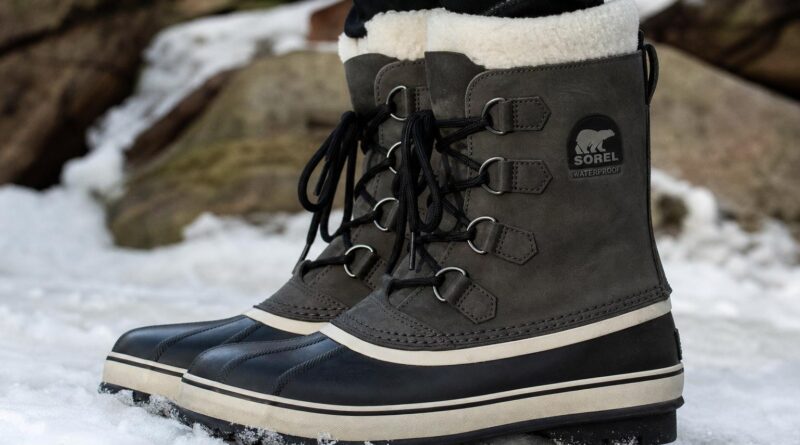
Sorel boots in Canada: the complete, no-nonsense guide to warmth, waterproofing, fit, and value
Winter in Canada is a moving target. One week you’re skating across Ottawa in -25°C air that bites through denim like paper; the next you’re sloshing through Toronto slush deep enough to baptize your socks. That’s why so many Canadians reach for Sorel boots. They’re not the only option, but they’re a reliable one—and when chosen wisely, they can turn a long winter into something you actually enjoy.
This guide walks you through exactly how to choose the right pair of Sorel boots for Canadian conditions, what the main models actually feel like on your feet, how warm different insulations are in real life, where to find the best prices in Canada, and how to make a good pair last years. Along the way, we’ll talk traction, waterproofing, kids’ boots, common mistakes, and a clear step-by-step checklist for picking the perfect pair. If you’ve ever wondered whether “-40°C rated” means anything once you’re waiting for the 95 bus in a north wind, you’re in the right place.
Why Sorel boots loom large in Canadian winters
Sorel’s roots are Canadian. The brand began in Kitchener, Ontario in the early 1960s under Kaufman Footwear, and their thick-lugged “pac” boots quickly became a winter staple for hunters, farmers, and city commuters alike. After Kaufman’s closure in 2000, Columbia Sportswear bought the Sorel brand, and today the company is headquartered in the U.S. The boots still feel built for our winters—because they are. Stiff rubber shells, felt liners you can dry by the register, leather uppers that shrug off salt and slush: the formula stuck for a reason.
But Canada isn’t one winter. On the West Coast you need waterproofing and grip for wet, heavy snow and near-freezing rain. In the Prairies you need insulation that stays warm when the windchill chases everyone indoors. In Quebec and Ontario, you need a boot that can do both and not fall apart after a month of salt baths. That’s where Sorel boots shine: the lineup includes hearty classics for deep cold, lighter city styles for slush and rain, and modern designs that don’t scream “I just came off a ski-doo.” The trick is matching the exact model to your climate and lifestyle.
The Sorel lineup by real-life need
You don’t buy “winter boots,” you buy a solution to your winter. Here’s a practical way to think about Sorel’s range, with real-world Canadian examples.
Deep-cold workhorse: Caribou
The Caribou is the boot most people picture when they hear “Sorel.” It’s a classic pac-boot: a vulcanized rubber lower, leather upper, removable 9 mm felt liner, and a tall, snow-stopping cuff. It’s heavy. It’s warm. It’s made for the kind of cold that makes your eyelashes freeze between Portage and Main. Many retailers list the Caribou with a -40°C comfort rating. Take that as a guideline, not gospel. If you’re moving (shovelling, walking the dog, clearing the driveway), they keep up in truly cold weather. If you’re standing still on a football sideline at -30°C for two hours, your toes will get cold in anything—bring a thermos and foot warmers.
Where they shine: Prairie deep freezes, outdoor work, snowbanks that swallow booties, cottage weekends. Where they lag: slick ice, long walks on dry sidewalks (they’re heavy), and city commutes where “waterproof and lighter” would be nicer.
Deep-cold with a sleeker profile: 1964 Pac
Think of the 1964 Pac as the Caribou’s leaner cousin. It still uses a rubber shell and removable felt liner, but with a slimmer, more flexible feel and often a slightly lower shaft. Comfort ratings tend to land around -32°C. It’s warmer than typical fashion boots but easier to wear all day than the Caribou. If you split time between shovelling and errands, or you live somewhere like Ottawa where it’s properly cold but you’re mostly walking pavement, this is a nice middle ground.
Cold and stylish: Joan of Arctic (women’s)
The Joan of Arctic is everywhere for a reason. It’s warm, waterproof, and looks good with a parka. Under the faux-fur cuff is a serious winter boot with a removable felt liner and a tall upper that blocks drifted snow. Many listings peg it around -32°C. It’s not a backpacking boot, but for Montreal winters—sidewalks, snowbanks, metro stairs—it strikes a smart balance between function and style.
Light, nimble, and city-friendly: Tivoli, Explorer, Kinetic
If your winter is more sidewalk than snowdrift, this family is worth a look. Instead of felt liners, these models typically use sewn-in synthetic insulation (often 100–200 g weight) with fleece or microfleece linings. They’re lighter, flex more naturally, and feel less clunky in a coffee shop. Expect warmth suitable for -10 to -20°C days, with room for wool socks. You can still do a snowy park walk, but don’t expect them to stay toasty at -30°C while you stand around.
Wet-coast winner: Out ’N About
In Vancouver, Victoria, and coastal BC, the winter headache is rain and wet snow that turns to slush by lunch. Out ’N About boots are built for that. They’re waterproof, seam-sealed, and happy splashing through curbside lagoons. Insulation is lighter; think shoulder seasons, above -10°C days, and any time keeping water out matters more than extreme insulation. If you want a Sorel you can wear three seasons on the West Coast, this is a staple.
Duck-boot versatility: Cheyanne
Cheyanne boots split the difference between a rubber-foot duck boot and a winter hiker. They’re waterproof and decently warm for most Southern Ontario and coastal winters, while feeling more like a regular shoe underfoot. Great for folks who hate bulky boots but still want protection for school runs, commutes, and weekend errands.
Snow-day tanks for kids: Yoot Pac and Flurry
For kids, warmth and ease-of-use matter more than style. The Yoot Pac shrinks the classic pac-boot idea: removable liner, waterproof shell, tall cuff. The Flurry often uses a fixed lining with a convenient drawcord cuff and a washable felt or felt-like inner. Look for grippy outsoles and wide openings that make daycare drop-offs less of a wrestling match. Warm feet equal longer playground time.
How warm are Sorel boots, really?
Let’s demystify insulation. Sorel boots generally use one of two systems:
- Removable felt liners (often 6–9 mm thick) inside a waterproof shell, as in the Caribou, 1964 Pac, and Joan of Arctic. Felt traps air effectively and keeps warming even when a bit compressed. You can remove and dry the liner—key for multi-day trips or back-to-back storms.
- Sewn-in synthetic insulation measured in grams (e.g., 100 g, 200 g), found in Tivoli, Explorer, and many fashion-forward models. This feels lighter and more flexible but isn’t as warm as a thick felt liner for long, inactive exposure to deep cold.
Retail “temperature ratings” (-32°C, -40°C, etc.) are best read as comfort guides under moderate activity. We all run hot or cold differently. Moisture management and fit matter just as much. A boot that’s too tight will cut circulation and chill your toes. Too loose, and your feet can’t warm the air space effectively. In Canadian terms:
- For regular -20°C to -30°C days with short walks and chores, pac boots with thick felt liners are your safest bet.
- For active days around -10°C to -20°C (city walking, errands), lighter insulated models can be perfect and far less tiring.
- For coastal winter rain, prioritize waterproofing and traction first, then add warm socks.
Socks are the unsung hero. Skip cotton. Choose midweight merino-wool socks that move moisture and stay warm if damp. If your feet sweat a lot, use a thin synthetic liner sock under wool. On truly cold days, bring a spare pair to change at lunch. You’ll feel the difference on your commute home.
Waterproofing and snow-proofing that actually works
Most Sorel boots billed as waterproof use seam-sealed leather or nylon uppers mated to a vulcanized rubber lower. That rubber shell is essentially a puddle boot stitched into a winter boot—a big reason your feet stay dry when you step into slush downtown. Models like the Out ’N About use a full rubber or rubber-wrapped lower with high foxing to stop water from seeping in at flex points. In long Vancouver rains, this style shines.
Leather treated for waterproofing still benefits from maintenance. Salt and wet-dry cycles suck moisture out of leather. Condition full-grain leather every few months with a product meant for waterproof boots (avoid heavy greases that can clog pores unless you accept reduced breathability). For sueded or nubuck leather, use a dedicated nubuck/suede spray and a brush to lift the nap. Seam-sealed construction does the heavy lifting, but a simple seasonal reproof makes a big difference in how a boot ages.
A quick field note: if you step into a slush puddle over the top of the boot, water will get in, waterproof label or not. That’s not a failure; water came in through the opening. Tall shafts and snug cuffs help. Snow pants with gaiters over the boot stop surprise soakers on toboggan hills and sidewalks buried by a plow.
Traction on ice: what to expect and how to stay upright
Canadian sidewalks are a rotating buffet of dry concrete, packed snow, polished ice, and ankle-deep slush. No boot can cheat physics on bare ice. Sorel outsoles use different lug patterns and rubber compounds that grip well on snow and slush. On pure ice, they help, but you can still slip. If you live in Halifax or Montreal where freeze-thaw and freezing rain are winter regulars, consider adding removable traction aids (ice cleats or microspikes) for the iciest days. They’re legal, affordable, and life-changing on black ice.
Rubber compounds matter more than lug depth when it’s really cold. Some shoes get rock-hard and slick below -10°C; Sorel’s winter rubbers are designed to stay pliable. Still, match your expectations. A classic Caribou has big lugs that bite snow. A sleek city style will be sure-footed on wet pavement but less stable on a polished rink corner. Look for defined, multidirectional tread and channels that push slush out from underfoot.
Getting the right fit (and sizing for Canadian shoppers)
Good warmth starts with good fit. Here’s how to dial it in:
- Try boots with the socks you’ll actually wear. Midweight merino is a good baseline.
- Pac boots with removable liners can feel roomy. That’s okay—there should be a thumb’s width in front of your big toe when standing. Too tight reduces warmth.
- Some models run a half-size large (not universally, but it’s common in Caribou and Joan of Arctic). If you’re between sizes, consider sizing down, especially if you won’t wear extra-thick socks.
- Wide feet? Look for models with generous toe boxes like the Caribou or certain 1964 Pac versions. Sleeker fashion silhouettes can run narrow.
- Orthotics? Many Sorel footbeds are removable. Test your insert in-store or at home during the return window.
Ordering online in Canada is normal now, but watch exchange and duty if you buy from U.S. sites. Buying from Sorel Canada or Canadian retailers means no surprise brokerage fees, and returns are easier under Canadian consumer norms.
Approximate size conversion guide
US and Canadian sizes align. European sizes vary by brand. Use this as a general guide when a listing only shows EU sizing.
| US Men | EU | US Women | EU |
|---|---|---|---|
| 7 | 40 | 6 | 36.5 |
| 8 | 41 | 7 | 37.5–38 |
| 9 | 42 | 8 | 39 |
| 10 | 43–44 | 9 | 40–40.5 |
| 11 | 44–45 | 10 | 41–42 |
| 12 | 46 | 11 | 42.5–43 |
Fit varies by model and foot shape, so treat conversions as a starting point, not a guarantee.
What Sorel boots cost in Canada—and where to buy
Pricing shifts with the season and sales, but these ballparks (CAD) will help you plan:
- Caribou: roughly $220–$250
- 1964 Pac: roughly $200–$230
- Joan of Arctic: roughly $240–$300 depending on trim
- Tivoli, Explorer, Kinetic ranges: roughly $180–$250
- Out ’N About: roughly $150–$190
- Cheyanne: roughly $170–$210
- Youth Yoot Pac and similar kids’ models: roughly $110–$160
Good Canadian retailers include Sorel.ca (the Canadian site), MEC, Altitude Sports, The Bay, Sport Chek, Sporting Life, SoftMoc, Simons, and select local shops. Buying from authorized Canadian sellers helps with warranty access and dodges cross-border surprises. Expect the best discounts during Black Friday, Cyber Monday, Boxing Week, and late-winter clearances (February–March). If you’re picky about colourways or sizes, shop earlier in the season before the popular options are gone.
Watch return windows. Many Canadian retailers offer 30 days or more on unworn boots. If you’re in Quebec or Ontario, consumer protection laws backstop you if goods are defective, but normal wear and tear isn’t a defect. Try boots indoors on clean floors until you’re sure about the fit.
Care and maintenance: make them last years
A little attention goes a long way. Here’s a practical routine that keeps Sorel boots going strong through multiple winters.
After messy days
Brush off slush and salt as soon as you’re home. Salt crystals eat stitching and dry leather. Mix a mild solution: one part white vinegar to one part water. Dampen a cloth and wipe salt lines away, then follow with a clean water wipe and let dry at room temperature. Don’t park them by a baseboard heater—the heat can crack leather and warp rubber.
Dry the inside properly
If your boot has removable felt liners, pull them out overnight. Stand them up to air dry. If they’re soaked, stuff them with newspaper and replace it once it’s damp. A low-temperature boot dryer works well; avoid high heat. For fixed-liner boots, remove the insole if possible, open laces, and let air circulate.
Reproofing and conditioning
Once or twice a season, clean and treat leather with a compatible conditioner. Follow with a waterproofing spray or wax as recommended by the product and material. For suede and nubuck, use a dedicated protector and a suede brush. Don’t over-apply heavy oils—they can soften structure and reduce breathability.
Replaceable parts
One perk of pac-style Sorel boots is replaceable liners and laces. If the wool blend liner gets compressed after years, swapping in a fresh pair can restore warmth. Stock a spare lace set—salt and bending fatigue can snap laces at the worst moment.
Off-season storage
Clean thoroughly, dry completely, and store in a cool, dry place out of direct sun. Loosen laces and keep shafts upright to prevent creasing. Tuck a note inside with the size and model; your future self will thank you when the first snowfall hits.
Sorel boots for kids: what parents should know
Kids need warmth, traction, and a boot they can manage themselves. A few tips that work in Canadian winters:
- Fit with snow pants. The cuff should go over or under easily, and a drawcord or Velcro snow collar helps lock out powder.
- Growth room is good, but too much makes feet cold and unstable. Aim for about a thumb’s width at the toe when standing.
- Removable liners are gold for daycares and snow days. You can dry them fast and keep boots fresh.
- Weight matters. A lighter boot often means more running, which keeps kids warmer overall.
Popular picks like the Yoot Pac or Flurry blend warmth, waterproofing, and easy closures. In provinces where kids spend scheduled outdoor time at school even on cold days, plan for a second pair of socks in the backpack and teach them to tap off snow before coming inside—so liners don’t stay damp for the afternoon recess.
Sorel vs. other winter boot brands Canadians buy
Sorel is far from the only game in town. Here’s how they stack up to common alternatives, so you can choose based on your priorities.
Baffin
Canadian brand known for extreme-cold boots. Their Polar series goes far beyond typical urban needs and is popular with snowmobilers and people working outside in northern communities. If you need serious warmth for long, inactive periods below -30°C, Baffin may outgun Sorel. The tradeoff is weight and bulk.
Kamik
Another Canadian stalwart with many models made in Canada. Kamik offers great value, tough shells, and warm liners at often lower price points. Styling is plainer, but they’re reliable workhorses for snow clearing and everyday winter use.
Pajar and La Canadienne
Montreal-based brands that often lean fashion-forward with real winter capability. If you want a sleeker boot that’s still warm and waterproof, these lines are worth a look. Prices can be higher, especially for premium leathers and hand-finished models.
Blundstone (winter-lined)
Beloved Chelsea boots, with winter-lined versions. Comfortable and versatile, but traction on ice can be lacking, and they’re not built for prolonged deep cold. If you mainly need a stylish slip-on for mild winters or quick trips, they’re great. For Ottawa in February, reach for something warmer.
Insulated winter hikers (Salomon, Merrell, Keen, etc.)
These feel like hiking shoes with added insulation and waterproof membranes. Excellent for those who walk a lot on mixed terrain, want better foot support, and prefer lighter weight over maximum insulation. In -25°C with windchill, they may need a liner sock and foot warmers if you’re not moving much.
What works where: Canadian scenarios, solved
Vancouver and coastal BC
It’s all about waterproofing and grip on wet surfaces. Out ’N About and Cheyanne are standouts. Add a midweight wool sock for chilly mornings, and keep a small bottle of leather protector handy for relentless rain. On icy mornings after a freeze-thaw, strap on cleats.
Toronto and the GTA
Slush, salt, and variable cold. A 1964 Pac or Joan of Arctic handles it all without feeling like overkill. If you walk a lot downtown, consider Tivoli or Explorer for lighter weight on -5 to -15°C days, and pivot to a pac boot for serious cold snaps. Rinse salt regularly; the city lays it down like confetti.
Montreal and Quebec City
Expect serious cold, hills, and hard-packed snow that turns to ice. Caribou or Joan of Arctic is a safe winter default. Keep cleats in your bag for steep sidewalks. For shoulder seasons, Cheyanne or Out ’N About works until the deep cold lands. Train stations and metro stairs chew soles—check tread mid-season.
Ottawa
Cold snaps and long walks. A pac boot pays off. If you split time between indoor offices and outdoor commutes, consider a two-boot strategy: a lighter insulated boot for regular days and a Caribou-level boot for deep cold warnings.
Prairies (Winnipeg, Regina, Saskatoon, Calgary, Edmonton)
Dry cold that punishes poor choices. Caribou or 1964 Pac for most folks. In Calgary’s Chinooks, you’ll appreciate switching to a lighter insulated boot between deep freezes. If you stand around at outdoor rinks, throw in a toe warmer and a thicker sock when temps plunge.
Atlantic Canada (Halifax, St. John’s)
Wind, freezing rain, and slushy transitions. Prioritize waterproofing and traction. Out ’N About for the wettest weeks, Tivoli or Joan of Arctic for cold snaps, and always, always respect ice. Keep a vinegar-and-water mix by the door; salt stains are relentless.
Northern communities (Yukon, NWT, Nunavut)
Extended deep cold and long outdoor periods call for serious insulation. Pac boots with thick liners are a baseline; many residents prefer brands built explicitly for extreme cold. If you choose Sorel, pick the warmest pac styles, size to allow warm socks without constriction, and manage moisture carefully. Dry liners every night—no exceptions.
Common mistakes Canadians make with winter boots
Good boots can still feel cold or leak if you use them wrong. Avoid these traps:
- Wearing cotton socks. They hold moisture next to your skin and chill you quickly.
- Going too tight. You need air space for warmth. If your toes press the front standing up, size up.
- Skipping drying. Liners that never fully dry feel colder day by day.
- Trusting any boot on black ice. Carry cleats for the worst days.
- Ignoring salt. White lines are your boot’s cry for help. Clean and condition.
- Using a space heater to dry leather. It accelerates cracking and can deform shells.
Sustainability and longevity
Sustainability in footwear is partly about materials and partly about lifespan. Sorel has highlighted the use of responsibly sourced leathers on select models in recent seasons, including Leather Working Group–certified tanneries. Regardless of provenance, the greenest boot is the one you wear for years. Pac boots that let you replace liners are a quiet sustainability win: one new liner set can extend life significantly. If you’ve outgrown a style or size, donate gently used pairs to local shelters—Canadian winters are harsh, and warm boots change lives.
Warranty and your rights as a Canadian buyer
Sorel boots are covered by a limited warranty against manufacturing defects, typically one year from the purchase date, administered by Columbia Sportswear in Canada. It doesn’t cover wear and tear or accidental damage (like melting your boots by the heater). Keep your receipt. If something fails prematurely—a separated sole, a broken eyelet under normal use—start a claim through the Canadian warranty portal or return to the authorized retailer where you purchased them. Living in provinces like Ontario, Quebec, and BC, you also have consumer protection frameworks that ensure products are fit for purpose; those laws vary by province but add baseline protections if a product is fundamentally defective.
One more practical note: avoid third-party sellers of unknown origin on online marketplaces. Counterfeit winter boots exist, and they won’t match the build quality—or the warmth—you paid for. Stick to authorized Canadian retailers to keep warranty access and your toes happy.
Step-by-step: how to pick your Sorel boots
Use this quick process to choose wisely the first time:
- Define your winter: coldest typical temperature, average precipitation (dry snow vs. slush/rain), and how much you walk or stand outside.
- Pick an insulation class:
- Felt liner pac boot (Caribou, 1964 Pac, Joan of Arctic) for deep cold or lots of time outside.
- Lighter sewn-in insulation (Tivoli, Explorer, Kinetic, Cheyanne) for city life between -5 and -20°C.
- Waterproof-first (Out ’N About) for coastal rain and slush.
- Choose a tread for your reality: deeper lugs for snow, more siping and flatter profiles for wet pavement. Plan to add cleats for ice.
- Dial in fit with real socks. Ensure toe room, heel hold, and easy on/off with winter layers. If you wear orthotics, test them now.
- Consider weight. Heavier boots feel secure but tire you faster if you walk a lot. Be honest about your daily mileage.
- Check price and warranty. Compare a couple of Canadian retailers, and note return policies.
- Plan maintenance: grab a suede brush or leather conditioner and spare laces or liners if applicable.
Real-world model snapshots
Caribou: pros and cons
Pros: serious warmth, classic build, removable liners, great for snowbanks and static cold. Cons: heavy, overkill for mild days, traction is strong on snow but not magic on ice, can feel clunky indoors. If you shovel for your whole street, you’ll love them.
1964 Pac: pros and cons
Pros: warm enough for most central Canadian winters, less bulky than Caribou, removable liner. Cons: not as warm for long idle periods at -30°C, narrower feel in some versions, still heavier than fashion boots. If your winter swings from errands to driveway duty, this is a sweet spot.
Joan of Arctic: pros and cons
Pros: insulation you can trust, waterproof, looks good with everything, removable liner. Cons: heavier than city styles, fur cuff can collect salt if you’re not careful. For long days out in Quebec winters, few “cute” boots are this capable.
Tivoli/Explorer/Kinetic: pros and cons
Pros: lighter, comfortable for long city walks, easy to wear all day. Cons: not designed for hours standing at -25°C, less forgiving if you misjudge sock thickness. If your winter is transit, school runs, coffee shops, and the occasional storm day, these are the wear-everywhere options.
Out ’N About: pros and cons
Pros: excellent waterproofing, perfect for slush and rain, easy maintenance. Cons: not a deep-cold boot; pair with wool socks and don’t expect miracles at -20°C. West Coast MVP, shoulder-season hero.
Work sites and safety toes: a quick reality check
If you need a boot for a job site, look for CSA-certified safety features (green triangle, etc.). While Sorel has produced rugged models, many popular consumer Sorel boots aren’t CSA-certified. Brands like Kodiak, Terra, and Baffin have broad CSA winter lines. Don’t assume a warm boot is a safe boot for work—check the badge.
Troubleshooting cold feet
If your new Sorel boots feel cold, run this checklist:
- Socks: are they wool or synthetic? If cotton, change them and reassess.
- Fit: can you wiggle toes easily? If not, loosen laces or consider a half-size up.
- Moisture: are liners damp from yesterday? Dry them fully.
- Activity: standing still? Add toe warmers and a thicker sock or choose a warmer boot class.
- Time: did you just step outside? Feet warm up after 10–15 minutes of walking; don’t judge too early.
Buying secondhand in Canada: smart or risky?
Secondhand can be a bargain, especially for pac boots with replaceable liners. Inspect carefully:
- Check the rubber shell for cracking, especially where the foot flexes.
- Inspect stitching and welt areas for separation.
- Squeeze the liner—if it feels flat and thin, budget for a replacement.
- Smell test: persistent odour can indicate trapped moisture and bacteria in fixed liners.
Facebook Marketplace, Kijiji, and local consignment shops can turn up gems in March and April when people offload winter gear. If you buy used, approach price with the expectation of replacing liners or insoles.
Frequently Asked Questions
Are Sorel boots actually waterproof?
Most Sorel winter models marketed as waterproof use seam-sealed constructions and rubber lowers that keep out slush and puddles very effectively. They’re designed for the stuff Canadian winters throw at you. Waterproof doesn’t mean “wader”—if water comes over the top, your feet get wet. Maintain leather with appropriate products and you’ll stay dry for years.
Which Sorel boots are warmest?
Pac-style boots with thick removable felt liners—like the Caribou, 1964 Pac, and Joan of Arctic—are the warmest in the lineup and the best for long exposure to deep cold. Lightweight city models with 100–200 g synthetic insulation are warm for most urban days but won’t match pac boots for hours of standing at -25°C.
What’s the difference between Caribou and 1964 Pac?
The Caribou is burlier: thicker liner, chunkier build, often rated to lower temperatures, and heavier. The 1964 Pac is slimmer and more flexible, with slightly less insulation but easier walking comfort. If you prioritize maximum warmth, pick the Caribou; if you want a middle ground for mixed city and snow days, 1964 Pac is a great bet.
Do Sorel boots run true to size?
Many do, but some pac boots (Caribou, Joan of Arctic) can run a half-size large to accommodate thick socks and liners. If you’re between sizes, consider going down a half size in those. Always try with your winter socks. You want toe room without heel lift.
Can I hike in Sorel boots?
Short winter walks on packed trails? Yes. True hiking with elevation and mixed terrain? Look at insulated hikers from brands built for that use. Pac boots are warm but heavy; their flex pattern and foot support aren’t optimized for long technical hikes.
How do I clean salt stains off Sorel boots?
Mix a 1:1 solution of white vinegar and water, dampen a cloth, and wipe the stains. Follow with clean water to remove residue, then let the boots dry away from direct heat. Finish with conditioner or protector appropriate for the material (leather vs. suede).
Are Sorel boots good on ice?
They’re solid on snow and slush. On bare ice, no rubber-only boot is amazing. For freezing rain days in Montreal, Ottawa, or Halifax, use removable ice cleats. They weigh almost nothing and can prevent falls.
Are Sorel boots made in Canada?
The brand started in Canada, but today production is global. If “made in Canada” is a priority, look at specific models or other Canadian brands like Kamik and Baffin that still produce some lines domestically.
What socks should I wear with Sorel boots?
Midweight merino wool socks are the sweet spot for warmth and moisture control. Avoid cotton. If your feet sweat, add a thin synthetic liner sock under wool. Make sure the combination doesn’t make the boot tight.
How long do Sorel boots last?
With basic care—drying liners, cleaning salt, occasional conditioning—many people get several winters, even a decade, from classic pac styles. City-focused styles can also last multiple seasons if maintained. Failure points are usually neglect-related: cracked leather from heat, stitching damaged by salt, or worn tread from heavy pavement use.
Do Sorel boots have removable liners?
Classic pac models like Caribou, 1964 Pac, and Joan of Arctic do. Many lighter city styles (Tivoli, Explorer, Kinetic) use sewn-in insulation and don’t. Removable liners are great for drying and can be replaced when compressed.
Are Sorel boots worth the price?
If you match the model to your winter, yes. A pac boot handles deep cold better than most alternatives in the price range, and lighter styles offer genuine waterproofing many fashion boots don’t. If budget is tight and you need maximum warmth, compare Kamik and Baffin too. If style matters, Sorel’s fashion-forward models often hit a sweet spot of look and function.
Can I wear Sorel boots to work on a job site?
Only if they’re CSA-certified for your job’s requirements. Many popular Sorel consumer models are not. For construction and industrial settings, choose boots with the proper CSA markings (e.g., green triangle) from brands that specialize in safety footwear.
How do I stop my Sorel boots from smelling?
Dry them thoroughly after use, remove liners and insoles when possible, and rotate socks. Sprinkle a pinch of baking soda into liners overnight and shake it out in the morning. Persistent odour in fixed-liner boots can be hard to remove; catching moisture early is key.
Do Sorel offer vegan boots?
Many Sorel models use leather and wool-blend liners. Some styles use synthetic uppers and faux fur, but the brand doesn’t widely market “vegan” certifications. If avoiding animal-derived materials is essential, verify the materials list for each model before buying.
What’s the break-in period for Sorel boots?
Pac boots are comfortable out of the box but feel more supple after a few wears as the leather flexes and the liner settles. Lighter insulated models feel “sneaker-like” quickly. Don’t try to rush break-in with heat; just wear them for a few short outings.
Can I replace the liners in my Sorel boots?
Yes, in pac models. Replacement liners are sold by size. If you’re between sizes or changing sock thickness, test liners with your socks to maintain a good fit. Fresh liners can revive warmth in older boots.
Will Sorel boots keep me warm at -30°C?
Pac boots with thick liners can keep moving feet comfortable at -30°C for many people. Standing still for long periods is another story; plan on warm socks, toe warmers, and perhaps a thicker liner. Individual circulation varies—dial your system to your body and activity.
The bottom line
Pick Sorel boots the way you’d pick a winter coat: match the insulation and shell to your weather and your life. In Canada, that might mean a classic pac boot for true winter and a lighter waterproof style for the shoulder seasons. Fit them with real socks, care for the leather, add cleats on ice, and you’ll be the person striding past stuck cars with warm, dry feet. That’s not just comfort—it’s freedom to enjoy the long season we call home.