
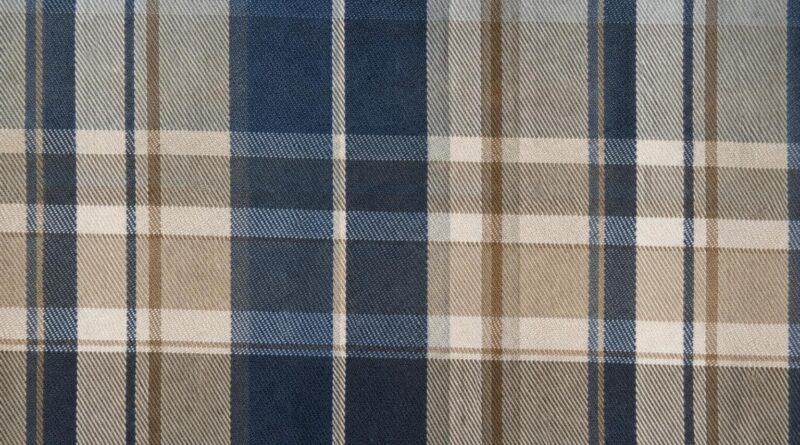
Plaid in Canada: History, Style, Fabrics, and Even the Fintech Everyone Mentions
Plaid means more than one thing in Canada. It’s a pattern you’ll see on a woodsy flannel shirt in Thunder Bay, a sophisticated suit in Toronto’s Financial District, the pleats of a kilt at a Nova Scotia wedding, and the blanket tossed over a Muskoka cottage sofa. It’s also the name of a fintech platform that many Canadian banking apps use behind the scenes. Confusing? A bit. Useful to understand? Absolutely. This guide unpacks it all—what plaid is (and isn’t), how it became part of Canadian culture, how to buy and wear it well, how to care for it, how it shows up in home design, and what Canadians should know about the Plaid technology that asks for bank connections.
By the end, you’ll know how to choose a plaid that flatters you, spot quality fabrics, avoid common mistakes (in fashion and in privacy settings), and bring this iconic pattern—rooted in centuries of craft—into your wardrobe, home, and modern life with confidence.
What “Plaid” Actually Means (and How It Differs From Tartan, Check, and Flannel)
Let’s strip the terms down to basics. In North American everyday speech, plaid has become a catch-all for criss-crossed stripes that form checks. Technically, in the Scottish tradition, tartan is the name for these specific patterns, each built from a defined thread count (the “sett”) that repeats perfectly across warp and weft. A kilt is traditionally made from a clan or district tartan. The word plaid, historically, described a garment: a long piece of woven cloth worn over the shoulder, often as a blanket-like wrap.
Over time, especially in Canada and the United States, plaid slid into common use for almost any intersecting check. If you say “plaid shirt,” people know what you mean, even if the exact sett isn’t registered anywhere. In formal contexts—Highland dress, heritage events, pipe bands—people still say tartan. In a store aisle or on a fashion blog, plaid is the everyday word.
Then there’s flannel. Flannel is not a pattern; it’s a fabric. Flannel is a soft, brushed textile that can be woven from cotton, wool, or blends. Many flannel shirts feature plaid patterns because the cozy texture pairs well with that classic look. But a solid-colour flannel still counts as flannel; a crisp, non-brushed cotton shirt in a tartan pattern is plaid but not flannel.
Confused at the rack? Quick check: pattern = plaid/tartan; fabric = flannel. A plaid can be printed or woven; a tartan, in the classic sense, is woven with colours forming the pattern in the threads themselves.
How Plaid Took Root in Canada
Canada’s bond with plaid runs through immigration, craft, workwear, and a healthy dose of myth-making. Scottish migration left an outsize cultural imprint from the Maritimes through central Canada and out to the Prairies. Highland Games, pipe bands, and Highland dance still anchor local calendars from Antigonish, Nova Scotia to Maxville and Fergus in Ontario, to Victoria, BC. With that came tartans—clan tartans, district tartans, military tartans—and eventually, official Canadian tartans.
The Maple Leaf Tartan, designed in the 1960s, was recognized by the Government of Canada in 2011 as an official national tartan. The palette moves through the seasonal colours of the Canadian maple leaf—greens, golds, reds, and browns—which is a tidy way of tying an old-world pattern to a very Canadian symbol. Many provinces and territories also have official tartans, typically registered in Scotland and used for ceremonial wear, local events, and regional pride.
At the everyday level, plaid morphed into “the Canadian shirt”—the red-and-black “Buffalo check.” It’s smart to note the symbol isn’t uniquely Canadian; the pattern was popularized across North America through workwear companies and logging lore. But Canadian identity grabbed it with both hands. The association stuck because it meshes with the country’s climate, resource history, and no-nonsense style: warm, hard-wearing, a little bold. If you’ve ever cut a Christmas tree in Gatineau Park or stood rinkside in January Alberta, you know why the archetype endures.
The Language of Tartan: Setts, Colourways, and Why Patterns Look Different
Tartan patterns are built from their setts—the sequence of coloured threads and their counts. Read one line of the code (for example, “8R 32G 8R 4K 32G…”) and you know how to weave it so it mirrors both directions. When you see “to the half-sett,” the pattern repeats symmetrically; “to the full sett” can include an asymmetry. This is why matching a tartan across seams is fussier than lining up a simple check.
Colourways matter too. A tartan in “modern” colours uses saturated dyes. “Ancient” palettes mimic older, plant-based dye tones—softer, often with a blue-green shift. “Weathered” feels muted, like a fabric that’s seen sun and rain. “Hunting” versions usually lower contrast and feature greens and browns for country wear. The same sett can look dramatically different across these palettes, which is why you might like a tartan you thought you “weren’t a fan of” once you see it in weathered colours.
Balance plays a visual role. Balanced (symmetric) setts feel orderly and easier to wear big—say, in a coat or blanket. Unbalanced (asymmetric) setts read more dynamic and can be brilliant in smaller surfaces like scarves or panels. Scale also changes everything. A bold, oversized plaid on a blazer can be modern and sharp; the same colours shrunken to a tight grid turns into a subtle business check.
Fabric First: Wool, Cotton Flannel, and Blends Compared
Plaid succeeds or fails because of fabric. A lacklustre fibre pills, loses shape, or feels clammy. The right fibre breathes, insulates, and drapes the way the pattern suggests. Here’s a practical comparison for Canadian conditions.
| Fabric | Best Uses | Warmth & Breathability | Care | Typical CAD Price Range | Pros | Cons |
|---|---|---|---|---|---|---|
| Wool (worsted) | Suits, kilts, dress trousers | Warm, excellent breathability | Dry clean or careful hand-wash | $60–$150/m (fabric); Suits $500–$1,500 off-the-rack | Holds shape, resists wrinkles, durable | Can be itchy if low grade; dry-clean bills |
| Wool (tweed/flannel) | Shackets, overshirts, blankets, winter skirts | Very warm, breathable | Spot clean, air out; occasional dry clean | Blankets $120–$400; Overshirts $160–$350 | Cozy, robust, ages beautifully | Heavier; moth-prone without storage care |
| Cotton flannel (brushed) | Casual shirts, PJs, bedding | Moderate warmth, decent breathability | Machine wash cold, low heat dry | Shirts $40–$180; Bedding sets $80–$200 | Soft, affordable, easy care | Can pill; holds moisture longer than wool |
| Poly/cotton blends | Budget shirts, uniforms | Varies; less breathable | Easy machine care | Shirts $25–$80 | Wrinkle-resistant, low cost | Can feel clammy; microplastic shedding |
| Viscose/rayon blends | Drapey blouses, scarves | Cool hand, moderately breathable | Gentle wash; avoid high heat | Tops $60–$150; Scarves $30–$80 | Soft drape, vivid prints | Less durable when wet; can bag out |
If you run hot in winter, lean toward lighter wool or brushed cotton flannel and layer smartly. If you’re braving -30°C windchill, wool is your friend. It insulates even when damp and doesn’t cling to sweat; that’s worth its weight on a February LRT platform in Edmonton.
How to Wear Plaid in Canada, Season by Season and City by City
West Coast Rain, Mild Winters: Vancouver, Victoria, Nanaimo
Here, the rule is water resistance first, warmth second. A cotton flannel shirt over a merino tee, topped with a seam-sealed shell, handles most winter days. Lean into smaller-scale plaids in greys, blues, and greens—they mix well with outdoor gear. For evenings, a subtle tartan suit in a lightweight worsted wool avoids bulk. Footwear? Leather or waterproof sneakers, not heavy snow boots you’ll never need to lace.
Prairies and the North: Calgary, Edmonton, Winnipeg, Whitehorse
When the temperature plummets, scale and fibre count. Oversized plaids in wool shackets layered under a parka look intentional and trap air better. Consider a heavy cotton flannel (8–9 oz) or wool flannel trousers. In bitter cold, a tartan scarf in dense lambswool or merino offers immediate payoff. Keep the palette high-contrast; it reads crisp against snow and flat winter light.
Central Canada’s Swing: Toronto, Ottawa, Southern Ontario
Transitional dressing rules. Early fall? A lightweight plaid overshirt works as outerwear. December through February? Anchoring outfits with a plaid accessory avoids overheating in overheated offices. In the business district, a windowpane or Prince of Wales check suit balances pattern with professionalism. If you attend a winter wedding or black-tie fundraiser, a subtle Black Watch tartan dinner jacket can be both classic and Canadian-friendly without veering into costume.
Quebec’s Fashion Energy: Montreal, Quebec City, Sherbrooke
Quebecers have a knack for mixing heritage with modernity. Try bolder, fashion-forward plaids: cropped plaid jackets, kilt-inspired skirts with chunky boots, or a tartan trench. For formal wear, Montreal tailors do sleek plaid suits that sit between avant-garde and traditional. If you speak fabric with your tailor, ask about lightweight wool flannel for a matte, elegant look that photographs beautifully on Old Montreal’s cobblestones.
Atlantic Canada: Halifax, St. John’s, Charlottetown, Fredericton
Salty air, shifting weather. Layer wool on wool: a tartan scarf over a fisherman sweater under a waxed jacket is coastal Canadian perfection. Maritimers often wear district tartans at graduations and local festivals. For everyday life, jewel-toned plaids brighten grey skies and pair well with practical footwear. When gale-force gusts roll in, a snug beanie and a tightly woven scarf make more difference than an extra sweater you’ll sweat through.
Etiquette and Culture: Who Can Wear What, and What to Avoid
Can anyone wear a clan tartan? In most cases, yes. While certain tartans are associated with specific families, broad social rules have relaxed over time. Some tartans are considered “universal” or “open,” like Black Watch. Royal Stewart is historically connected to the Sovereign, yet it’s widely worn in civilian contexts. If you’re attending a formal Highland event and want to be precise, choose a district tartan (like a provincial or national tartan) or a tartan connected to your personal heritage.
Within Canadian communities—pipe bands, regiments, Highland dance schools—there may be house rules. Borrowing a friend’s band kilt to a public event could be frowned upon if it implies membership. At a wedding, kilt rentals are common, and grooms often pick a tartan for the party that suits the colour scheme. When in doubt, ask the host or organizer; you’ll be seen as respectful, not fussy.
One important cultural note: don’t conflate Indigenous designs with tartan or plaid. Métis sashes (ceintures fléchées) are finger-woven with chevron motifs; many First Nations artists use distinct geometric and floral designs. They have their own histories, protocols, and meanings. Appreciate them on their own terms rather than labelling them “plaid.”
Buying Plaid in Canada: Prices, Quality Checks, and Where to Shop
Budgets vary, and plaid spans them all. Here’s what to expect when you’re shopping in Canadian stores or online.
- Flannel shirts: $40–$100 for mall brands; $120–$180 for heavier fabrics, better buttons, and clean pattern matching.
- Plaid overshirts/shackets (often wool blends): $120–$300.
- Tartan scarves (lambswool or merino): $40–$120; cashmere from $120–$250.
- Plaid suits: $500–$1,500 off-the-rack; $1,000–$2,500 made-to-measure.
- Traditional kilts: $400–$800 for machine-stitched “casual” kilts; $800–$1,200+ for hand-stitched 8-yard kilts with proper canvassing.
- Blankets and throws: $120–$400 depending on fibre and mill.
For clothing, check three quality cues: pattern alignment, fabric hand, and finishing. On shirts, see if the plaid matches at the side seams and across the front placket. Pockets cut on the bias can conceal small mismatches but should be intentional. Fabric should feel substantial relative to its purpose; cheap flannel pills early and goes limp after a few washes. Finishing includes tight, even stitching, reinforced buttons, and clean seams.
For kilts, construction is the whole story. A traditional kilt in a proper worsted wool tartan uses deep pleats aligned “to the sett” (pattern carried through the pleats) or “to the stripe” (vertical line on the pleats). Ask the maker about yardage, stitch type, and canvas. Measure with precision; a good shop will walk you through waist, hip, and length. In cities with Scottish communities—Toronto, Ottawa, Montreal, Halifax, Victoria—specialty shops provide fittings and rentals.
Buying fabric for DIY? Many Canadian fabric stores stock cotton flannels and printed plaids. For true woven tartans, selection on-shore can be limited; many are imported from Scotland. Ordering online may attract shipping and taxes. Under the Textile Labelling Act, any textile product sold in Canada must disclose fibre content and dealer identity in English and French. If you import for personal use from abroad, expect GST/HST and possible duty, plus brokerage fees from couriers. The exact duty depends on trade agreements and the product category, so factor a cushion into your budget.
How to Sew and Tailor Plaid Without Losing Your Mind
Sewing plaid is satisfying because great matching looks like magic. It’s also unforgiving: a half-centimetre drift becomes obvious. Slow is smooth; smooth is fast. Here’s a blueprint from fabric choice to final press.
Choose Your Fabric and Scale
If this is your first plaid project, start with balanced, mid-scale patterns in a stable fabric like cotton flannel or wool tweed. Asymmetric setts and slippery fibres (viscose, satin) raise the difficulty. For garments with many panels (jackets, kilts), choose a pattern that won’t demand heroic matching on every seam.
Pre-wash, Block, and Mark
Pre-wash cotton flannel in cold water and low heat dry to shrink it before cutting. Wool usually prefers steaming and resting rather than agitation; ask your fabric store. Lay the fabric flat, square the grain, and block it gently if skewed. Then mark key horizontal and vertical lines on your pattern pieces that correspond to major stripes in the plaid. These reference points keep everything true when you place pieces for cutting.
Cut Single Layer, Mirror Pieces, and Label Aggressively
Many instructions tell you to “cut on the fold.” With plaid, cut single layer whenever possible. Flip pattern pieces to mirror the opposite side and align them to the same points in the pattern. Use weights and a sharp rotary cutter. Label each piece with painter’s tape: left front, right front, matched at blue stripe, etc. This is how you prevent a 2 a.m. mixing error.
Plan Your Matching Strategy
Decide where matching matters most. On shirts, prioritize center front, yoke, side seams, and pocket fronts. On trousers and skirts, side seams and center fronts/backs count; pockets can be cut on the bias to dodge near-misses. On jackets, focus on center fronts, lapel roll lines, side seams, and visible pocket flaps. For an overshirt, matching the sleeve plaids across the body can be a nice flex, but don’t sacrifice body alignment to chase it.
Pin, Baste, and Use a Walking Foot
Pinning through the exact stripe, not beside it, helps. Hand-baste long seams to test alignment before machine stitching. A walking foot feeds layers evenly and prevents drift—especially important with brushed flannels. Press as you go with a light touch to avoid stretching bias edges.
Special Case: Pleating a Kilt
A traditional kilt is closer to engineering than casual sewing. You’ll need about eight yards of 13 oz wool tartan for a men’s full kilt, less for casual or women’s styles. Decide whether to pleat to the sett or to a stripe, then mark your pleats precisely. A good kilt tutorial or, better, a course with an experienced maker in Canada (many shops and cultural societies host them) pays off. If time is tight and you want heirloom quality, commission the work; this is one garment where professional skill shows forever.
Plaid at Home: Cabins, Condos, and the Art of Mixing Patterns
There’s a reason plaid blankets look right on a dock chair at sunrise: the pattern feels warm and grounded. Indoors, plaid throws, pillows, and curtains add texture and colour. The trick is scale and restraint.
Use one hero plaid (larger scale) and support it with smaller checks or solids that pick up a colour thread. In a small condo, a giant high-contrast plaid on the sofa may dominate. Shift it to a blanket at the foot of the bed or a pair of pillows instead. In a Muskoka room or a West Coast cabin, you can go bigger—think a statement plaid wool rug with neutral sofas and natural wood.
Material matters at home, too. Wool throws breathe and stay warm without that sticky heat you get from cheap synthetics. Cotton flannel sheets in winter feel luxurious when you hit the cold side of the bed, and they’re easy to launder. If you have pets, look for tight weaves that resist snagging, and pick mid-tones that hide fur between cleanings.
Care and Maintenance: Keep Plaid Looking Sharp for Canadian Winters
Care rules change with fibre. A few simple habits extend the life of your favourites.
- Wool garments and blankets: Brush off salt and slush, air them after wear, and spot clean. Hand-wash only if the label allows; otherwise dry clean sparingly. Store in breathable bags with cedar to deter moths. Never pack away damp wool at the end of the season.
- Cotton flannel: Wash cold, inside out, with like colours. Use a gentle cycle and avoid fabric softener that can clog fibres. Tumble dry low or hang to reduce pilling. A sweater stone or fabric shaver cleans up pills on elbows and cuffs.
- Synthetics and blends: Wash cold in a microfibre-catching laundry bag if possible to reduce shedding into waterways. Air dry to preserve shape.
- Tailored clothes: Steam to refresh; pressing with a cloth avoids shine. Rotate wear; even great fabric needs recovery time.
Safety note for parents and caregivers: Canada has specific flammability requirements for children’s sleepwear. Loose-fitting sleepwear must meet strict flame-resistance standards; tight-fitting garments are treated differently. Cotton flannel can be risky in loose cuts because it ignites more easily than some synthetics. Check Health Canada guidance and shop labels carefully when buying plaid pyjamas for kids.
Regulations and Labels Canadians Actually Encounter
Two sets of rules show up repeatedly when buying plaid goods in Canada.
- Textile Labelling Act and Regulations: Administered by the Competition Bureau, these require accurate, bilingual fibre content labels and dealer identity. If a label lists “100% wool,” it must be just that. Care instructions aren’t mandatory by law but are industry norm and worth following.
- Provincial language and consumer laws: In Quebec, for example, French labelling and consumer protection requirements apply to goods sold in the province. If you’re buying online, check the seller’s policies for returns, exchanges, and warranty under your province’s norms.
For special events, organizations will often publish dress codes. Highland dancing associations, pipe bands, or regimental functions may specify particular tartans or accessories. Read the fine print and you’ll avoid a scramble on event day.
Sustainability: Choosing Better Plaid
Plaid can be slow fashion if you pick well. Wool is durable, repairable, and biodegradable. It needs less frequent washing, which saves energy and water. Seek certifications like Responsible Wool Standard (RWS) and OEKO-TEX for lower-impact processing. Consider Canadian and near-shore mills where possible; while the country has fewer large-scale textile operations than it once did, small makers and weavers persist, especially in Atlantic Canada and Quebec.
For cotton flannel, organic cotton reduces pesticide load, and higher-quality long-staple fibres pill less. If you’re buying synthetics, wash in a microfibre bag and air dry. And don’t underestimate the circular economy: Canadian thrift and consignment stores are full of excellent plaid coats, shirts, and blankets. A tailor can tighten buttons, fix hems, and re-line a coat for far less environmental and financial cost than buying new.
Events and Heritage: Where Plaid Comes Alive in Canada
Heritage lives on the field and stage. If you want to immerse yourself, plan a visit to the Fergus Scottish Festival and Highland Games (Ontario), the Glengarry Highland Games in Maxville (Ontario), the Antigonish Highland Games (Nova Scotia), or the Victoria Highland Games (British Columbia). You’ll see tartans in motion: Highland dancers with precise pleats, pipe bands roaring through medleys, athletes tossing cabers in kilts that do not, despite rumour, get in the way of heroics.
Weddings, graduations, and civic events also bring out plaid in many communities. In Ottawa, a winter wedding with a tartan wrap is practical and beautiful. In Montreal and Halifax, you’ll find specialty shops that rent full Highland outfits—from sporrans to jackets—so you can participate without a lifetime commitment on first wear.
Plaid in Tech: What Canadians Should Know About the Fintech Called Plaid
Switching gears: capital-P Plaid is a financial technology platform used by budgeting apps, investment tools, and fintech services to connect to your bank account. If you’ve connected an app to view your transactions or set up automatic transfers in Canada, there’s a decent chance you’ve clicked through a screen powered by Plaid or a similar aggregator.
What does it do? In short, it helps apps securely access financial data (with your consent) to perform services—things like verifying your account, reading transactions for budgeting, or enabling payments. Historically, some of these connections relied on “screen scraping,” where a third party logs in on your behalf and reads your account data. The industry is moving toward tokenized APIs, where your bank and the aggregator exchange data through secure, limited-permission channels without sharing your password.
Where does Canada stand? The federal government has committed to a consumer-driven banking framework (often called open banking) to set rules for standardized, secure data sharing. The Financial Consumer Agency of Canada (FCAC) has been identified by the government as a central player in consumer protection within that framework. As details roll out, more Canadian banks and fintechs are shifting from credential-based connections to tokenized APIs and formal partnerships. Until standardized open banking is fully implemented, Canadians will continue to see a mix of connection methods depending on their bank and the app they’re using.
Privacy and Security Considerations for Canadian Users
- Consent: Reputable apps should explain what data they access and why. If the scope feels broad for the task, pause. Under PIPEDA (the federal private-sector privacy law) and provincial equivalents in Quebec, Alberta, and British Columbia, organizations must obtain meaningful consent for personal data use.
- Data minimization: If an app only needs to verify your account for deposits, it shouldn’t need months of transaction history. Look for granular permissions and revoke what you don’t need.
- Revocation: Good platforms let you disconnect accounts later. Within Plaid’s ecosystem, you can manage connections and delete data through the app or a user dashboard if provided. You can also remove an app’s access through your bank if tokenized connections are in place.
- Storage and retention: Read the app’s policy on how long data is stored and for what purposes. This matters under Canadian privacy law and for your peace of mind.
- Quebec-specific note: Quebec’s privacy law (as modernized, commonly referred to as Law 25) imposes additional obligations on organizations handling personal data of Quebec residents. Apps operating in Quebec should reflect these requirements in their practices and documentation.
Practical tip: Before linking your account, search “[Your bank] + [the app name] + API” to see if there’s a formal partnership. If so, you’re likely getting a tokenized connection rather than credential sharing. If not, weigh whether the convenience justifies the risk and whether there’s a manual alternative (for example, uploading a void cheque to set up deposits).
Quick Decision Guides
If You Want a Warm, Durable Shirt Under $100 CAD
Pick a midweight cotton flannel in a smaller-scale plaid. Check that side seams line up, buttons are secure, and the fabric has some heft. Wash cold, hang dry. Brands at this price won’t last forever, but solid care stretches their life across many winters.
If You’re Investing in One Heirloom Piece
Buy a lambswool or merino tartan scarf from a reputable mill or a heavy wool blanket that suits your home. You’ll use it constantly, and quality shows. For clothing, a well-cut plaid sport coat or a Black Watch tuxedo jacket can carry you through holiday seasons for a decade.
If You’re Attending a Scottish-Themed Event
Rent a kilt if you’re new to it. Choose a district or Canadian tartan if you’re not attached to a clan. Ask the shop for help on kilt length and jacket type (Prince Charlie for black tie, Argyll for semi-formal). Break in your shoes before the event.
If You’re Budgeting and an App Asks to Connect Through Plaid
Read the permissions. If the app lets you choose read-only access and specific accounts, use the minimum required. Check whether your bank offers a tokenized API connection. Revoke access when you’re done testing the tool or switch apps.
Common Mistakes to Avoid
- Confusing flannel with plaid: You can have one without the other. Buy for fibre first, pattern second.
- Forgetting scale: A large plaid on a small frame overwhelms; a tiny check on a big coat gets lost. Match pattern size to the surface area.
- Skipping pre-wash: Cotton flannel shrinks. Pre-wash before you cut or you’ll sew a perfect shirt that turns into a crop top.
- Wearing head-to-toe high-contrast plaids: Unless you’re aiming for runway drama, anchor one bold plaid with solids.
- Linking every financial account to every app: Convenience is nice, but redundancy multiplies risk. Keep connections lean, review them quarterly.
Cost Planner: Where Your Money Goes
| Item | Entry-Level | Mid-Range | Premium | What Changes With Price |
|---|---|---|---|---|
| Flannel Shirt | $40–$80 | $100–$160 | $170–$250 | Fabric weight and pilling resistance, pattern matching, button quality |
| Overshirt/Shacket | $100–$150 | $160–$240 | $250–$350 | Wool content, lining, hardware, reinforced seams |
| Tartan Scarf | $40–$70 (acrylic/wool blends) | $80–$130 (lambswool/merino) | $140–$250 (cashmere) | Fibre softness, longevity, colour saturation |
| Plaid Suit | $500–$800 (off-the-rack) | $900–$1,500 (OTR/MTM) | $1,600–$2,500 (MTM) | Canvas construction, fabric quality, pattern matching at seams |
| Traditional Kilt | $400–$700 (casual) | $800–$1,200 (hand-stitched) | $1,200+ | Yardage, stitching, canvas, precision pleating |
| Blanket/Throw | $120–$180 (wool blends) | $190–$300 (lambswool) | $310–$400+ (premium mills) | Fibre grade, density, weave tightness |
Mixing Plaids Without a Headache
Yes, you can wear more than one plaid. Keep three rules:
- Vary scale: one big, one small. Two medium plaids fight for attention.
- Share a colour: if both plaids include navy, they’ll relate. Limit your palette to two or three colours overall.
- Anchor with texture: denim, solid knits, or leather calm the visual field.
In home decor, apply the same logic: a bold tartan throw can pair with delicate gingham if the colours align and a neutral sofa grounds them.
Canadian Weather Hacks for Plaid Lovers
Cold snaps and thaw cycles punish fabrics differently. Salt stains wool, while wet snow weighs down cotton flannel. A few habits go a long way:
- Keep a soft brush by the door to sweep salt from hems and cuffs the moment you come inside.
- Hang wet wool to air-dry away from direct heat; it can scorch or glaze under a hot radiator.
- Rotate footwear and outer layers—soggy fibres break faster.
- Carry a compact umbrella on slushy days; it protects your shoulders and scarf from gritty spray.
How to Pick a Plaid That Flatters
There’s no single right answer, but pattern, colour, and contrast can help or hinder you. If your build is compact, choose tighter grids or lower-contrast plaids that don’t overwhelm. If you’re tall or broad, go for bolder setts. Cool undertones? Blues, greys, and greens tend to harmonize. Warm undertones? Rusts, olives, and golds play well. In photos (family portraits, graduations), high-contrast plaids can moiré or distract; dial back saturation for camera days.
Authenticity and Registration: When It Matters
For everyday clothes, authenticity isn’t crucial. But for formal wear tied to heritage—kilts, sashes, pipe band uniforms—choose registered tartans. The Scottish Register of Tartans maintains a searchable database of official designs, including Canadian provincial and national tartans. If you’re ordering fabric, ask the supplier for the tartan reference or sett details to confirm you’re getting the right pattern and weight (common kilt cloth weights are 10–16 oz).
Returns, Taxes, and Practical Canadian Realities
Ordering from a Canadian retailer? You’ll pay GST/HST or GST/PST depending on your province. Shopping from abroad? Expect GST/HST at the border and possible duty and brokerage fees. Courier shipments often come with extra brokerage charges; postal shipments may be simpler, if slower. Keep original packaging until you confirm fit and quality; return windows can be short during holiday rush.
Real-World Use Cases
The Cottage Kit
One wool throw per person, a stack of cotton flannel pillowcases, and a midweight plaid shacket by the door. You’ll use all of it, from cooler August nights on the dock to shoulder-season coffee runs.
The City Capsule
A muted plaid blazer (think navy with a faint green overcheck), a lambswool scarf in Black Watch, and one hardy flannel shirt. These three pieces cover office casual to weekend markets from October through April.
The Winter Wedding
Choose a district tartan wrap or shawl that matches the wedding palette—greens for evergreen themes, burgundy for holiday affairs. Keep footwear practical for snow and ice, and stash a mini lint roller; wool shawls pick up confetti, pet hair, and the occasional pine needle.
FAQs
Is plaid the same as tartan?
In everyday North American use, people say plaid for any criss-crossed check. In the traditional sense, tartan is the precise woven pattern defined by a thread count (sett), while “plaid” historically referred to a garment. For fashion and shopping, plaid and tartan are often used interchangeably.
What is “Buffalo plaid,” and is it Canadian?
Buffalo plaid refers to the large red-and-black check you see on classic work shirts and blankets. It’s popular across North America and strongly associated with Canadian outdoor style, but it isn’t uniquely Canadian in origin.
Can anyone wear a clan tartan in Canada?
Generally yes. Some tartans are linked to families or institutions, but most people won’t object to respectful wear, especially outside formal clan contexts. Universal tartans like Black Watch are widely accepted. If attending a formal event, ask the host or choose a district or Canadian tartan.
Is the Maple Leaf Tartan official?
Yes. The Maple Leaf Tartan, designed in the 1960s, was recognized by the Government of Canada in 2011 as an official national tartan. Its colours echo the seasonal changes of the maple leaf.
How do I wash a cotton flannel plaid shirt?
Wash cold, inside out, on a gentle cycle. Tumble dry low or hang to dry to limit pilling and shrinkage. Avoid fabric softener, which can reduce absorbency and increase fuzziness.
How should I care for a wool tartan scarf or blanket?
Air out after use, spot clean stains quickly, and avoid frequent washing. If needed, hand-wash in cool water with a wool-safe detergent and lay flat to dry, or use a trusted dry cleaner. Store with cedar or lavender to deter moths.
Are there rules about kids’ plaid pyjamas in Canada?
Children’s sleepwear in Canada must meet flammability standards. Loose-fitting cotton flannel pyjamas can pose a higher fire risk if not properly designed. Look for tight-fitting designs or garments that meet the required standards, and check labels for compliance.
What is Plaid (the fintech) and is it safe to use in Canada?
Plaid is a technology platform that helps apps connect to your bank account with your consent. Safety depends on the specific app, the permissions you grant, and the connection method. In Canada, the government is advancing a consumer-driven banking framework to standardize secure data sharing. Choose apps with clear, granular permissions, prefer tokenized connections where available, and review and revoke access you no longer need.
Do Canadian provinces have official tartans?
Many do. Provincial and territorial tartans are registered and used for events, regalia, and local pride. If you’re looking for one, check the Scottish Register of Tartans or provincial heritage resources.
Where can I rent a kilt in Canada?
Major cities with strong Scottish communities—such as Toronto, Ottawa, Montreal, Halifax, Calgary, and Victoria—typically have specialty shops that rent kilts and full outfits. Booking ahead is wise during wedding and festival seasons.
How can I mix plaids without clashing?
Vary scale (big with small), share at least one colour, and anchor with solids or textured neutrals. Limit the total palette to two or three colours for a cohesive look.
What’s the difference between a printed plaid and a woven tartan?
Printed plaids apply colour to the surface of the fabric. Woven tartans create the pattern from dyed threads crossing at right angles. Wovens tend to look richer and last longer, but good prints have their place in lightweight, drapey pieces.
Will I pay duty on plaid items shipped to Canada?
You’ll pay GST/HST and possibly duty, depending on the product and origin. Courier shipments may include brokerage fees. Check the seller’s shipping and returns policy and budget a margin for fees when ordering from abroad.
How do I know if a plaid suit is office-appropriate?
Choose subtle patterns like Prince of Wales checks or low-contrast windowpanes in classic colours. Fit and fabric quality matter more than the pattern itself. If your office is conservative, start with a plaid sport coat before a full suit.
Whether you’re pulling on a flannel to shovel the driveway, tying a sash for Highland dance, choosing a check for a board meeting, or deciding whether to connect a budgeting app to your bank, plaid in Canada carries history, craft, and practical sense. Choose thoughtfully, care well, and it will serve you—season after season.